Imagine your factory’s main product line halts unexpectedly due to a sudden motor failure, causing operations to stop for the afternoon while the issue is diagnosed and repaired. At best, this incident will result in product delays. At worst, it will increase operational costs and impact customer satisfaction—potentially damaging your organization’s reputation and competitive advantage.
Unplanned downtime—a period in which a system, machine, or piece of equipment is unexpectedly out of operation—poses serious threats to industrial profitability. Equipment failure, software issues, power outages, and human error can all lead to numerous downstream impacts. These can range from producing waste and interrupting supply chain networks to causing SLA compliance issues and equipment safety hazards. Thankfully, organizations can adopt measures to reduce unplanned downtime and reclaim those lost production hours, all while increasing overall efficiency and customer satisfaction.
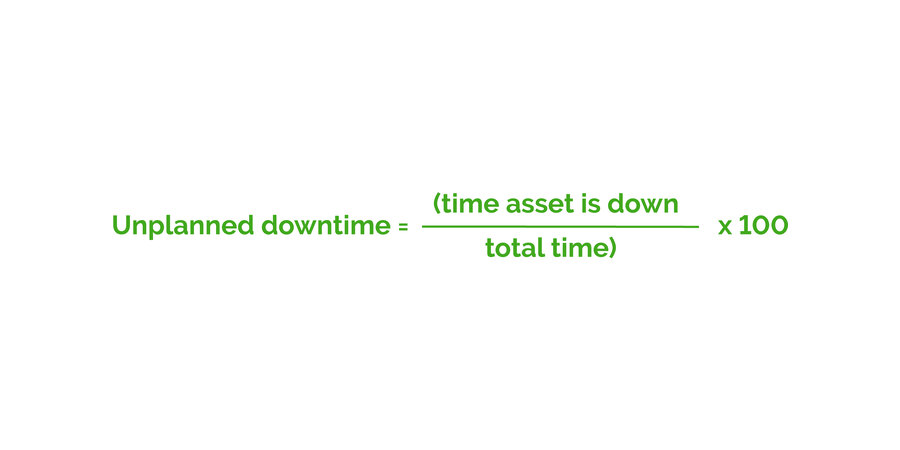
Before trying to reduce unplanned downtime, it is important to understand how it is measured. Unplanned downtime is typically calculated based on lost time or lost revenue. When calculating unplanned downtime on the basis of time, the formula is:
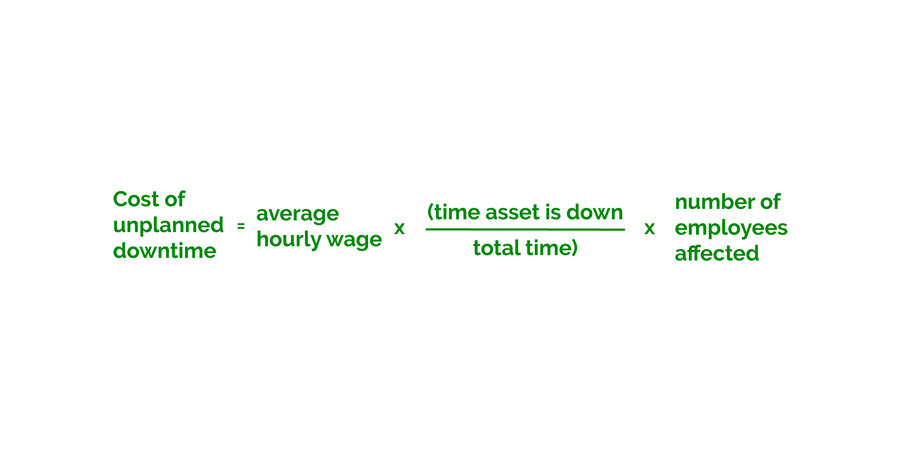
However, when organizations are more concerned with lost dollars than lost time, they may prefer to calculate unplanned downtime as a cost. In this case, the formula is: