Industrial Data Management software
Connect, collect, store, contextualize, and use industrial data with software that helps organizations create a trusted data foundation for operational visibility, analytics, AI, and enterprise decision-making.
 Talk to an expert
Connect industrial data and put it to work
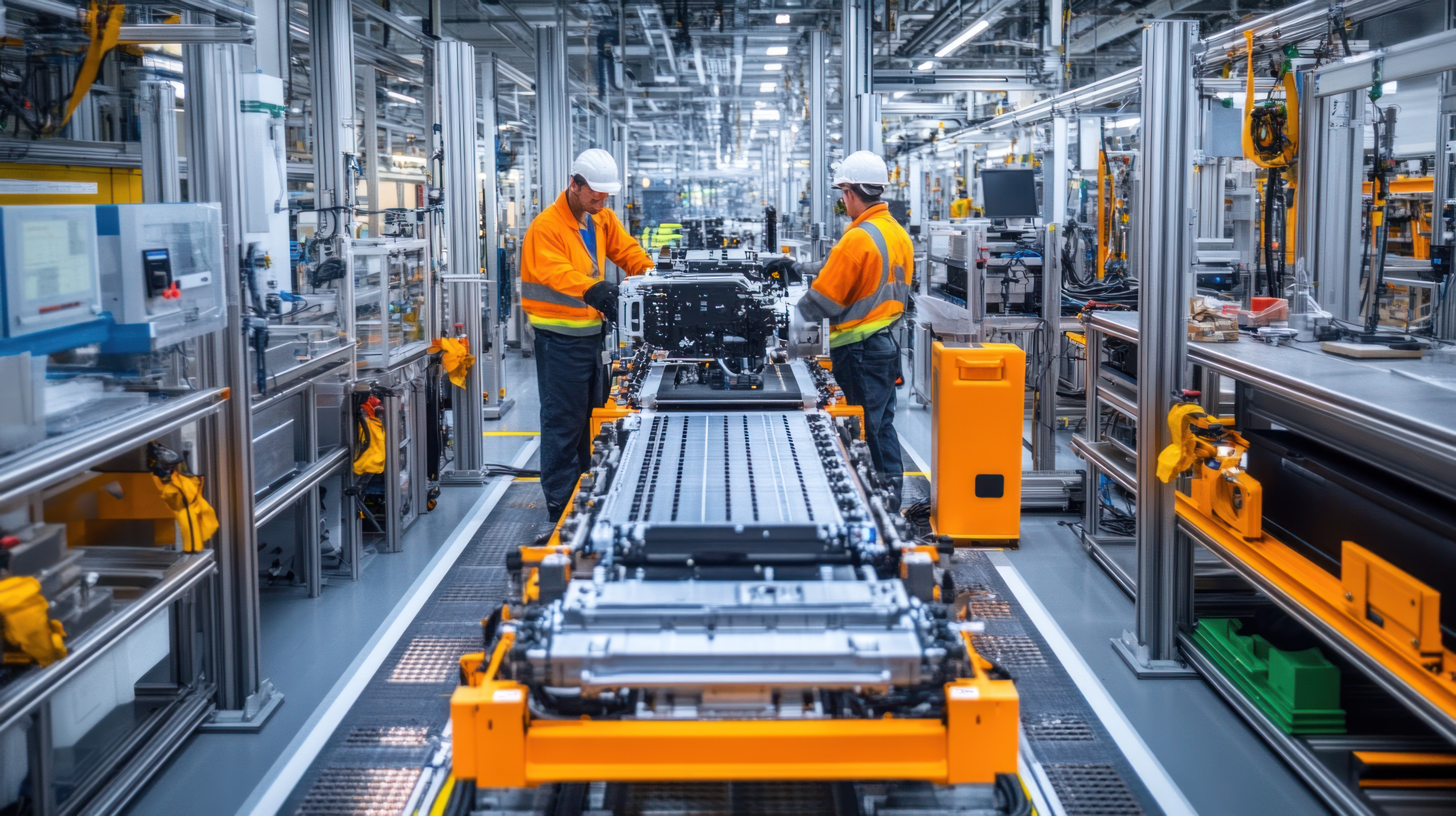
Connect everything. Preserve context. Unlock value.
Industrial operations generate enormous volumes of data across machines, PLCs, sensors, control systems, applications, and sites. Velotic industrial data management solutions help organizations connect diverse industrial assets, reliably collect and store high-frequency data, add meaningful operational context, and make trusted information available to the people and applications that need it.High-speed time-series data collection and storage
Industrial connectivity and data acquisition
High-speed time-series data collection and storage
Secure, reliable access to real-time and historical data
Industrial data aggregation and protocol normalization
Asset modeling and operational contextualization
Edge, on-premises, cloud, and hybrid architectures
Integration with analytics, AI, data lakes, and enterprise applications
Scalable data management across plants and enterprises
Industrial Data Management capabilities
From device connectivity and time-series storage to asset modeling, contextualization, and application enablement, Velotic provides the capabilities organizations need to make industrial data reliable, accessible, understandable, and useful.
Industrial connectivity & acquisition
Connect PLCs, machines, sensors, controllers, and other industrial systems across vendors and protocols. Collect and normalize their data to create consistent, application-ready information for OT and IT systems.

Time-series collection & storage
Capture high-volume process values, equipment data, alarms, and events at industrial speed. Compress and securely retain that data for fast retrieval, reporting, compliance, long-term analysis, and optimization.

Data reliability and availability
Protect the continuity and integrity of industrial data through buffering, store-and-forward collection, redundancy, failover, and highly available architectures.

Industrial data contextualization
Organize data around assets, equipment, relationships, and operational structures so applications and users can interpret what raw industrial values represent.

Industrial data integration
Deliver real-time and historical data to MES, HMI/SCADA, analytics, cloud platforms, data lakes, enterprise systems, and other applications through open interfaces.
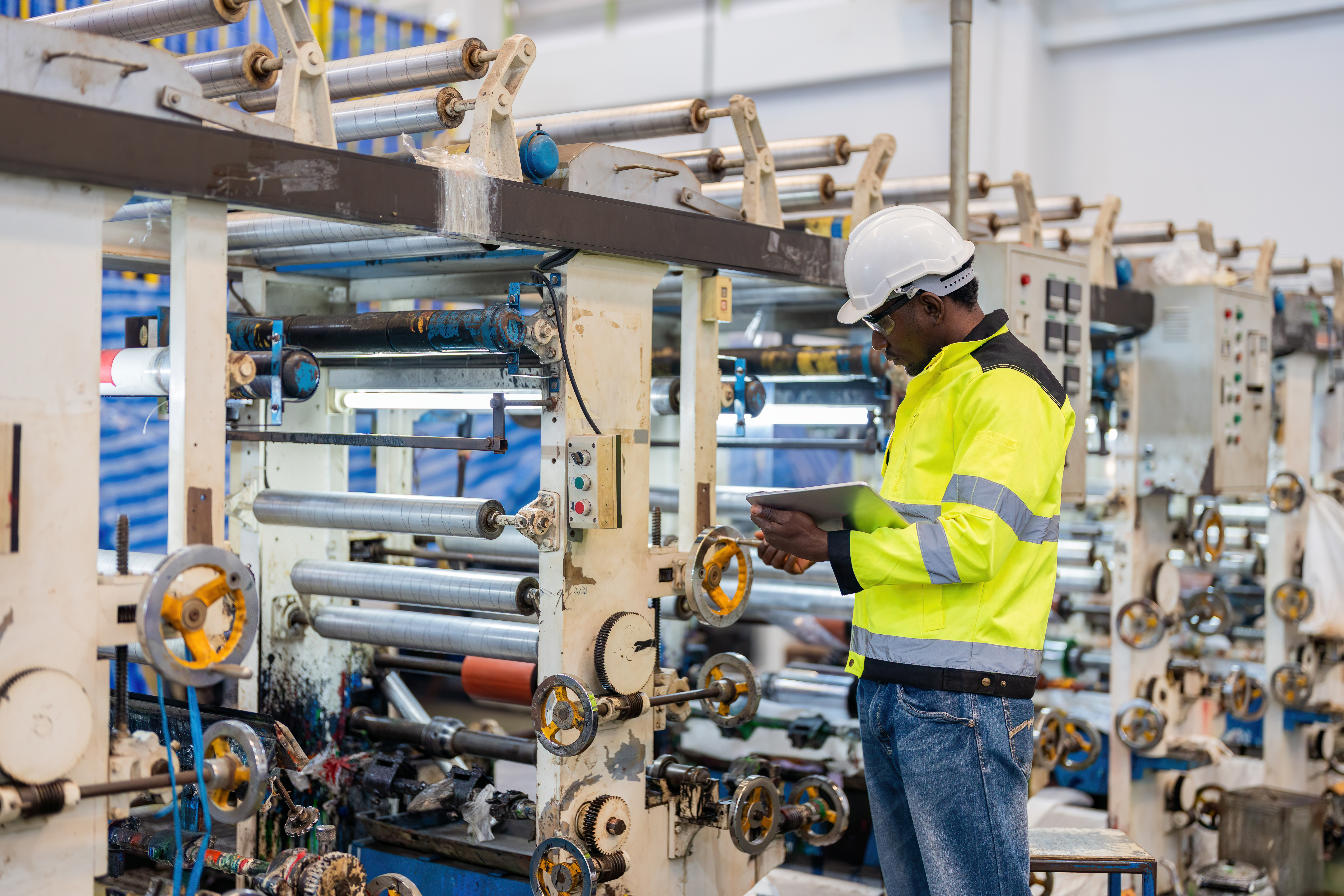
Industrial application enablement
Use connected and contextualized industrial data to build applications for monitoring, performance management, connected work, analytics, and other operational use cases.
Is your industrial data ready for AI?
Industrial AI depends on more than access to large volumes of data. Learn how connectivity, data quality, context, governance, and scalable industrial data architecture can help transform fragmented OT information into a trusted foundation for analytics and AI.
Watch the webinarResources
View allAll Resources
-
Webinar: Delivering Customer Value with the Next Evolution of Industrial AI
Hear practical lessons from the field and learn how organizations are preparing data, accelerating AI initiatives, and achieving faster time to value.
Webinar -
Standardize Kepware across the enterprise
One license. One strategy. Scalable industrial connectivity everywhere you operate.
Brochure -
Kepware Edge data sheet
Data sheet -
Boost your manufacturing throughput with digital continuous improvement
By digitizing their continuous improvement efforts, manufacturers can provide actionable feedback to frontline workers, empowering them to immediately identify problems and direct their efforts at the highest priority issues.
E-book -
Enabling intelligent manufacturing with standardized connectivity
The path to intelligent manufacturing starts with standardized connectivity and a robust data foudation.
E-book -
From theory to reality: How to harness the power of connected field assets
A recipe for success when deploying IIoT for service optimization
E-book -
IoT factory automation: 5 keys for future-proofing your operations
Empower leadership teams to make better informed decisions, reduce the risk when they make transformational decisions, and increase overall factory profitability.
E-book -
Flipping the script: How IoT is transforming the service industry
By enabling remote diagnostics, ensuring a robust parts inventory and providing access to off-site expert assistance, service optimization has never been simpler.
Infographic -
Webinar: What's New on ThingWorx Industrial Intelligence Platform
Join us for a customer-focused discussion exploring how manufacturers are turning industrial data into measurable business value. Hear practical lessons from the field on preparing data for AI, overcoming common challenges, and accelerating the journey from connectivity to actionable insights.
Webinar -
Webinar: What's new on ThingWorx Industrial Intelligence Platform
Join us for a customer-focused discussion exploring how manufacturers are turning industrial data into measurable business value. Hear practical lessons from the field on preparing data for AI, overcoming common challenges, and accelerating the journey from connectivity to actionable insights.
Webinar
Blog
-
Hyperscalability isn't about storing more data. It's about making industrial data accessible, contextualized, and AI-ready across the enterprise.
Blog -
Introducing Velotic: Pioneering the Future of Industrial Software (from GE Vernova Proficy, PTC ThingWorx and Kepware)
Velotic is a new independent industrial software company formed from the combination of Proficy from GE Vernova and ThingWorx and Kepware from PTC.
Blog -
Close the Gap Between Insights and Action
Blog -
ThingWorx Supports CESMII Smart Manufacturing Interoperability
See how Velotic's CESMII integration building blocks for ThingWorx simplify interoperability, accelerate multi-site scale, and reduce custom integration work.
Blog -
Hyperscalability Isn’t About Storing More Data. It’s About Making Industrial Data Accessible, Contextualized, and AI-Ready Across the Enterprise.
Hyperscalability in manufacturing is no longer about storing more data. It’s about making industrial data accessible, contextualized, and AI-ready across the enterprise. Learn how modern historian platforms enable this shift.
Blog -
The Hidden Cost of Inconsistent Manufacturing Operations
Blog -
AI Ambitions are Skyrocketing. Data Foundations are Lagging.
Blog -
The Prerequisites of AI: Why Data Foundations Matter
Rather than acting as a simple transport layer, connectivity becomes the structural backbone that turns fragmented signals into usable enterprise data. Without that backbone, AI initiatives remain localized—capable of generating insights in pockets, but unable to drive impact reliably across lines, systems, or sites.
Blog -
What is Manufacturing Operations Management (MOM)? – A Comprehensive Guide
Read this article to understand what Manufacturing Operations Management is and why it is crucial for any successful manufacturing operations.
Blog -
Introducing Kepware Edge and Kepware Server
Learn more about Kepware’s Fall 2025 Release, including Kepware for Linux and a unified platform for Windows.
Blog
Video
-
Connecting with Kepware Customers: Electrolux
Video -
Connecting with Kepware Customers: Howden
Video -
Getting Started with Audit Logs in Kepware
Video -
Getting Started with Kepware Server in Less Than Five Minutes
Video -
Introducing Kepware Edge
Video -
See how ThingWorx 10.2 is advancing Industrial Intelligence
From IIoT to AIoT. ThingWorx 10.2 brings together industrial data, AI-powered insights, and intelligent applications to help organizations accelerate performance and scale innovation.
Video -
How Camuzzi Gas modernized critical infrastructure with Velotic's Proficy software
How Camuzzi Gas modernized critical infrastructure with Velotic's Proficy Software
Video -
INS3 partner success story | how Proficy helps manufacturers grow
Watch how INS3 uses Proficy to help manufacturers improve quality, reduce costs, accelerate digital transformation, and achieve long-term business growth.
Video
-
Rain Engineering partner success story | how Proficy delivers complete manufacturing solutions
Hear how Rain Engineering helps manufacturers modernize operations with Proficy – improving quality, traceability, scheduling, and SaaS deployments
Video -
Access insights from wherever you are
Learn how manufacturers deliver operational intelligence anywhere through industrial data management, visualization, connected operations, and enterprise-wide visibility.
Video
Brochure
-
Standardize Kepware across the enterprise
One license. One strategy. Scalable industrial connectivity everywhere you operate.
Brochure
Buyer's guide
-
Industrial Intelligence Platform Buyer´s Guide
Buyer's guide -
Tech-Clarity Industrial Connectivity Buyer’s Guide
Buyer's guide
Data sheet
-
Kepware Edge data sheet
Data sheet -
Proficy Historian Datasheet
Explore how Proficy Historian securely collects, stores, and contextualizes industrial data across on-premises, hybrid, and cloud environments.
Data sheet
E-book
-
Boost your manufacturing throughput with digital continuous improvement
By digitizing their continuous improvement efforts, manufacturers can provide actionable feedback to frontline workers, empowering them to immediately identify problems and direct their efforts at the highest priority issues.
E-book -
Enabling intelligent manufacturing with standardized connectivity
The path to intelligent manufacturing starts with standardized connectivity and a robust data foudation.
E-book -
From theory to reality: How to harness the power of connected field assets
A recipe for success when deploying IIoT for service optimization
E-book -
IoT factory automation: 5 keys for future-proofing your operations
Empower leadership teams to make better informed decisions, reduce the risk when they make transformational decisions, and increase overall factory profitability.
E-book -
Achieving Industrial Transformation
E-book -
Building a Scalable Industrial Transformation Program
E-book -
The Connectivity Journey
E-book -
Unlocking OT Data at Scale
E-book -
How Manufacturing Leaders Are Building AI-Ready Operations
E-book -
The Role of Connectivity in Industrial Data Ops
E-book
Industry analyst report
-
2026 Frost Radar : Industrial Connectivity Software, 2026 - Kepware Named Visionary Leader
Explore Frost & Sullivan’s perspective on industrial connectivity, including market trends, growth drivers, and why vendor-neutral OT data access is becoming a foundation for enterprise transformation.
Industry analyst report -
Kepware Leads 2025 QKS SPARK Matrix
Industry analyst report -
ThingWorx Leads Nucleus Research IIoT Value Matrix
Industry analyst report -
ThingWorx Leads QKS SPARK Matrix for IIoT
Industry analyst report
Infographic
-
Flipping the script: How IoT is transforming the service industry
By enabling remote diagnostics, ensuring a robust parts inventory and providing access to off-site expert assistance, service optimization has never been simpler.
Infographic -
AI Readiness Starts with Coordinated Execution
Learn how to scale AI with connected data, standardized work, and real-time insights.
Infographic -
AI Insights Are Only as Reliable as the Data Foundation Beneath Them
Infographic
Report
-
ThingWorx Leads Nucleus Research IIoT Value Matrix
Industry analyst report
Webinar
-
Webinar: Delivering Customer Value with the Next Evolution of Industrial AI
Hear practical lessons from the field and learn how organizations are preparing data, accelerating AI initiatives, and achieving faster time to value.
Webinar -
Webinar: What's New on ThingWorx Industrial Intelligence Platform
Join us for a customer-focused discussion exploring how manufacturers are turning industrial data into measurable business value. Hear practical lessons from the field on preparing data for AI, overcoming common challenges, and accelerating the journey from connectivity to actionable insights.
Webinar -
Webinar: What's new on ThingWorx Industrial Intelligence Platform
Join us for a customer-focused discussion exploring how manufacturers are turning industrial data into measurable business value. Hear practical lessons from the field on preparing data for AI, overcoming common challenges, and accelerating the journey from connectivity to actionable insights.
Webinar -
Webinar: ThingWorx Innovation With Industrial IoT and AI
Webinar -
Webinar: Eliminate Work Instruction Gaps to Improve Quality, Speed, and Compliance
Webinar -
The future of industrial data ops: data fabric, AI & manufacturing
Explore the future of industrial data operations and learn how connected, contextualized OT data can accelerate insights, AI, and operational performance.
Video -
OT for IT Webinar: Enabling Enterprise Scale in Industrial Operations
Watch our OT for IT webinar on achieving Enterprise Scale in industrial operations. Learn strategies for scalability, flexibility, standardization & integration.
Video
-
Connected Worker strategies: how to deliver context, visibility, and actionable insights across industrial operations
Learn how Connected Worker solutions improve productivity through contextualized industrial data, OT/IT convergence, operational intelligence, and AI.
Video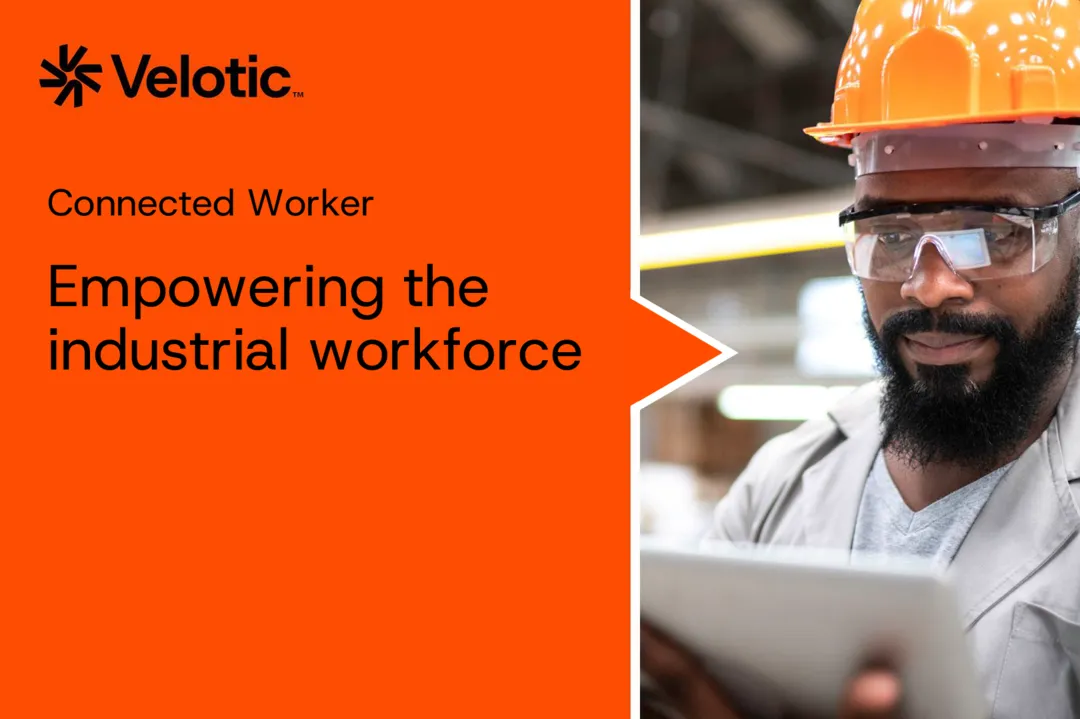
-
Proficy Historian 2026 Webinar Replay
See how Proficy Historian 2026 is evolving with cloud-native architecture, modern integrations, improved performance, and intelligent automation to help organizations capture more data, reduce operational complexity, and turn industrial information into actionable insights.
Video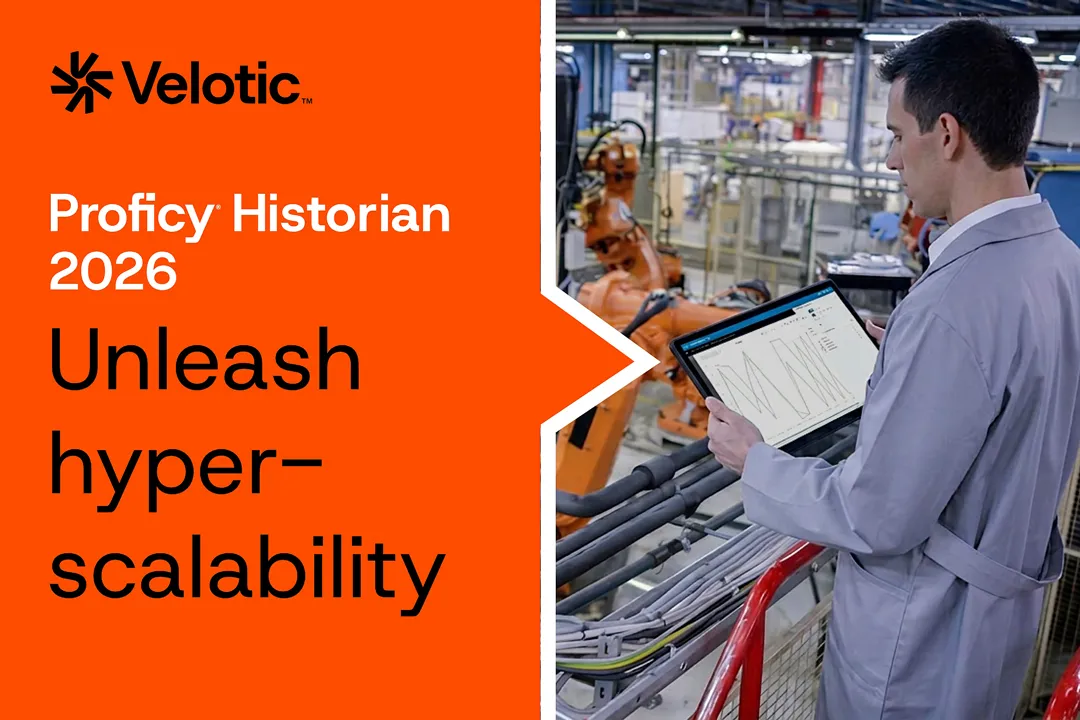
-
Webinar: The Connectivity Choice: All-in-One Stacks vs. Best-of-Breed Platforms
Webinar
White paper
-
Cloud-Based OT data management to enable analytics & optimization
Learn how operational historians in the cloud can provide data analysis capabilities at speed allowing you to solve the riddle of enabling cloud-based analytics models, visualizations, and KPI dashboards on high volume OT data.
White paper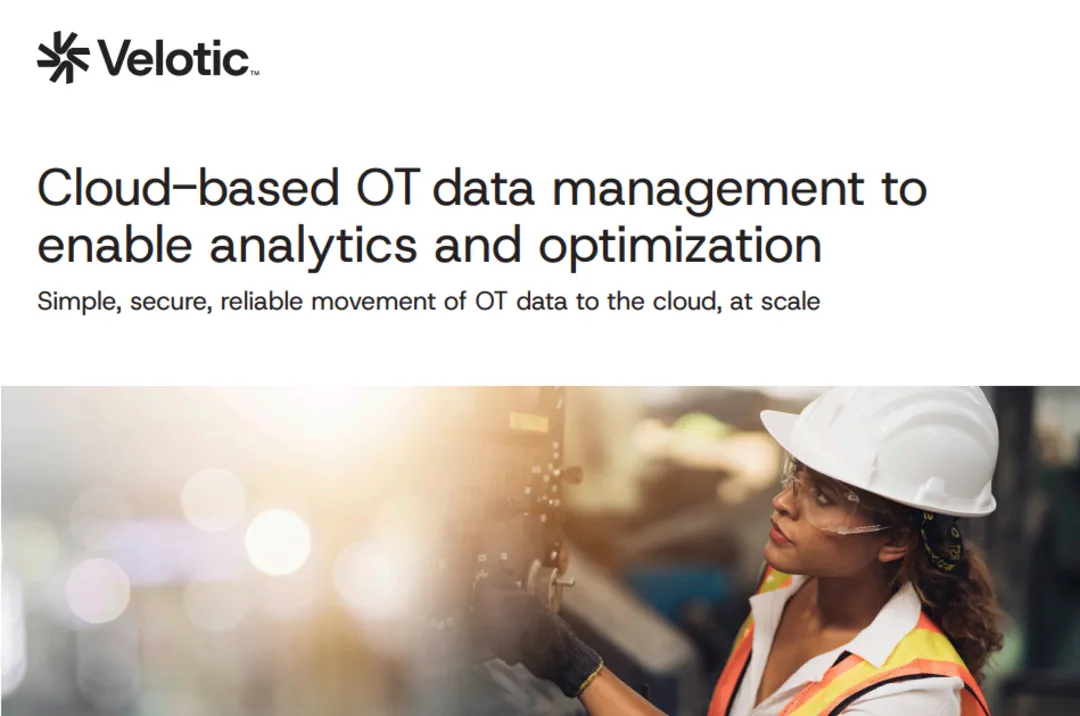
-
Research Report: How AI and Analytics Are Transforming Manufacturing
Transform Manufacturing with AI & Analytics: Get data insights, real-world examples, & actionable strategies in this report.
White paper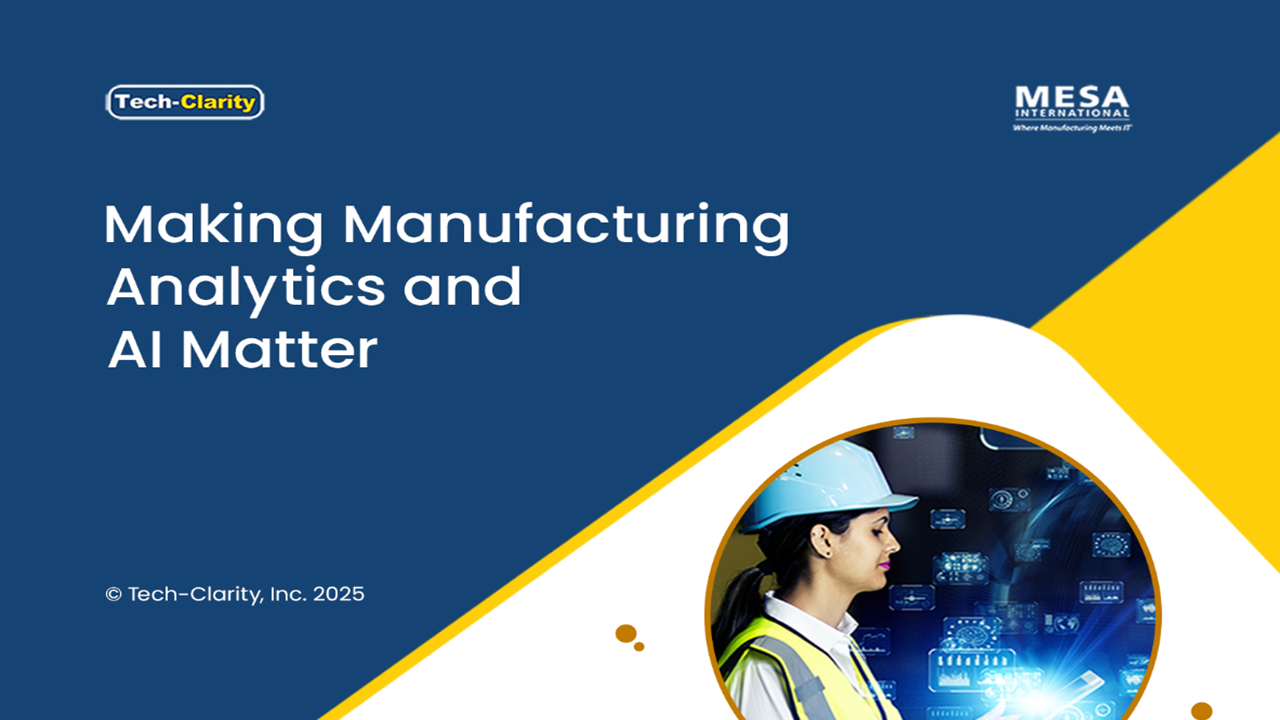
-
The AI Imperative: Why Industrial Architectures Must Evolve
White paper -
A Digital Approach to On-Demand Manufacturing
Read about strategies to tackle today's manufacturing challenges. Download the white paper today.
White paper -
Digitizing discrete manufacturing processes white paper
Drive down costs and improve quality and output in discrete manufacturing. Download the whitepaper to learn how to digitize your processes.
White paper -
Achieving Enterprise Scale in Manufacturing with Unified Solution Portfolios
Download the ABI Research whitepaper to see how unified solution portfolios help manufacturers scale Industry 4.0, reduce silos & accelerate digital transformation.
White paper
-
Food & Beverage / CPG Manufacturers: Taking meaningful steps towards a more sustainable future
This short white paper provides valuable insights and examples of how F&B/CPG companies can take meaningful steps towards sustainability by implementing technology solutions to help reduce water usage.
White paper -
Manufacturing Operational Intelligence for Food & Beverage/CPG
With MOI, key performance metrics are visible throughout your organization and help plant managers, production supervisors, and operators.
White paper