Connected Worker Software for Manufacturing
Empower operators, engineers, supervisors, and plant leaders with the trusted industrial data, production context, digital workflows, and real-time insights they need to make faster decisions and take confident action—from the plant floor to the enterprise.
 Talk to an expert
Turn industrial data into confident action

Connect your people to the context that moves operations forward
Connected workers need more than another dashboard. Velotic brings machine, process, production, quality, schedule, and performance information together in role-based experiences that help people understand what is happening, why it matters, and what to do next. Digitize workflows, extend expertise, and give every role the information needed to improve productivity, quality, safety, and operational consistency through:
Role-based operational visibility
Digital work instructions and guided workflows
Real-time monitoring, alerts, and decision support
Contextualized machine, process, production, and quality data
Web-based access across roles and locations
Production performance, scheduling, and analytics
Connected worker capabilities for modern industrial operations
From connected assets and trusted industrial data to digital execution and role-based insight, Velotic solutions help industrial organizations give workers the context, guidance, and tools to perform effectively.
Role-based operational visibility
Bring information from MES, Historian, HMI/SCADA, scheduling, enterprise, and third-party systems into intuitive views tailored to operators, engineers, supervisors, and plant leaders.

Digital workflows & guided execution
Replace paper processes and tribal knowledge with digital work instructions, e-SOPs, production workflows, quality checks, data collection, and guided activities that help workers execute consistently.

Real-time monitoring, alerts & action
Connect workers to live process conditions, equipment status, alarms, production events, and quality issues so they can identify what needs attention and respond quickly.

Trusted & contextualized industrial data
Connect machine, process, production, quality, and historical information so workers can understand not only what is happening, but the operational context surrounding it.

Production priorities & performance insight
Give frontline teams visibility into schedules, work orders, KPIs, OEE, downtime, quality, constraints, and production performance so they know what to prioritize and why.
Web-based access & connected applications
Extend operational information across devices, locations, and roles with secure web-based experiences and connected industrial applications that support work beyond the traditional control room.

Analytics & continuous improvement
Help workers and operational teams investigate losses, identify root causes, recognize patterns, and turn production data into opportunities to improve efficiency, quality, and asset performance.
Resources
View allAll Resources
-
Webinar: Modernizing Intelligence Unleashed: Building the Data Foundation for AI-Powered Manufacturing
Webinar hosted by Packaging Strategies - learn how to establish a scalable data foundation that supports predictive insights, operational visibility, and future AI initiatives without requiring a complete technology overhaul.
Webinar -
Webinar: Delivering Customer Value with the Next Evolution of Industrial AI
Hear practical lessons from the field and learn how organizations are preparing data, accelerating AI initiatives, and achieving faster time to value.
Webinar -
Standardize Kepware across the enterprise
One license. One strategy. Scalable industrial connectivity everywhere you operate.
Brochure -
Experience award-winning connectivity with Kepware Edge
Modernize your data foundation with connectivity that’s faster to deploy, easier to maintain, and scalable across the enterprise.
Data sheet -
Boost your manufacturing throughput with digital continuous improvement
By digitizing their continuous improvement efforts, manufacturers can provide actionable feedback to frontline workers, empowering them to immediately identify problems and direct their efforts at the highest priority issues.
E-book -
Enabling intelligent manufacturing with standardized connectivity
The path to intelligent manufacturing starts with standardized connectivity and a robust data foudation.
E-book -
From theory to reality: How to harness the power of connected field assets
A recipe for success when deploying IIoT for service optimization
E-book -
IoT factory automation: 5 keys for future-proofing your operations
Empower leadership teams to make better informed decisions, reduce the risk when they make transformational decisions, and increase overall factory profitability.
E-book -
Flipping the script: How IoT is transforming the service industry
By enabling remote diagnostics, ensuring a robust parts inventory and providing access to off-site expert assistance, service optimization has never been simpler.
Infographic -
Life is better in the cloud for process and discrete
Learn how Cloud MES helps manufacturers do more with less.
Infographic
Blog
-
Velotic looks to the future: AI enters the heart of SCADA, historian, and the digital factory
Novotek Italy explores how Velotic's AI could transform SCADA, historian, and industrial software through intelligent alarms, AI agents, and more.
Blog -
Hyperscalability isn't about storing more data. It's about making industrial data accessible, contextualized, and AI-ready across the enterprise.
Blog -
Rethinking MES deployment: cloud vs on-prem cost, risk & TCO explained
Blog -
Introducing Velotic: Pioneering the Future of Industrial Software (from GE Vernova Proficy, PTC ThingWorx and Kepware)
Velotic is a new independent industrial software company formed from the combination of Proficy from GE Vernova and ThingWorx and Kepware from PTC.
Blog -
Unlocking Strategic Potential in Food & Beverage and CPG: Redeploying IT Resources After the Cloud Transition
Unlocking Strategic Potential in Food & Beverage and CPG: Redeploying IT Resources After the Cloud Transition
Blog -
Trusted MES Tools for Full Traceability and Genealogy in Regulated Manufacturing
Learn how MES tools support full traceability and genealogy with forward and backward lineage, batch records, audit trails, recall support, and compliance readiness.
Blog -
Close the Gap Between Insights and Action
Blog -
ThingWorx Supports CESMII Smart Manufacturing Interoperability
See how Velotic's CESMII integration building blocks for ThingWorx simplify interoperability, accelerate multi-site scale, and reduce custom integration work.
Blog -
Connected Worker Manufacturing: why connected workers don't need more data—they need context
Discover why successful Connected Worker manufacturing strategies focus on operational context—not just data—and how Proficy helps improve productivity, quality, safety, and workforce performance.
Blog -
Hyperscalability Isn’t About Storing More Data. It’s About Making Industrial Data Accessible, Contextualized, and AI-Ready Across the Enterprise.
Hyperscalability in manufacturing is no longer about storing more data. It’s about making industrial data accessible, contextualized, and AI-ready across the enterprise. Learn how modern historian platforms enable this shift.
Blog
Video
-
Unlocking food safety: understanding FSMA 204
The Food Safety Modernization Act (FSMA) 204 will significantly change how food manufacturers track products across the supply chain. With compliance requirements taking effect in July 2028, manufacturers of all sizes need to begin preparing now. Podcast series - episode 2 of 3
Video
-
Unlocking food safety: understanding FSMA 204
The Food Safety Modernization Act (FSMA) 204 will significantly change how food manufacturers track products across the supply chain. With compliance requirements taking effect in July 2028, manufacturers of all sizes need to begin preparing now. Podcast series - episode 3 of 3
Video
-
Unlocking food safety: understanding FSMA 204
The Food Safety Modernization Act (FSMA) 204 will significantly change how food manufacturers track products across the supply chain. With compliance requirements taking effect in July 2028, manufacturers of all sizes need to begin preparing now. Podcast series - episode 1 of 3
Video
-
Reduce Alarm Overload with Better HMI SCADA Design
See how better alarm management and HMI SCADA design can reduce alarm overload, improve operator clarity, and help industrial teams respond faster.
Video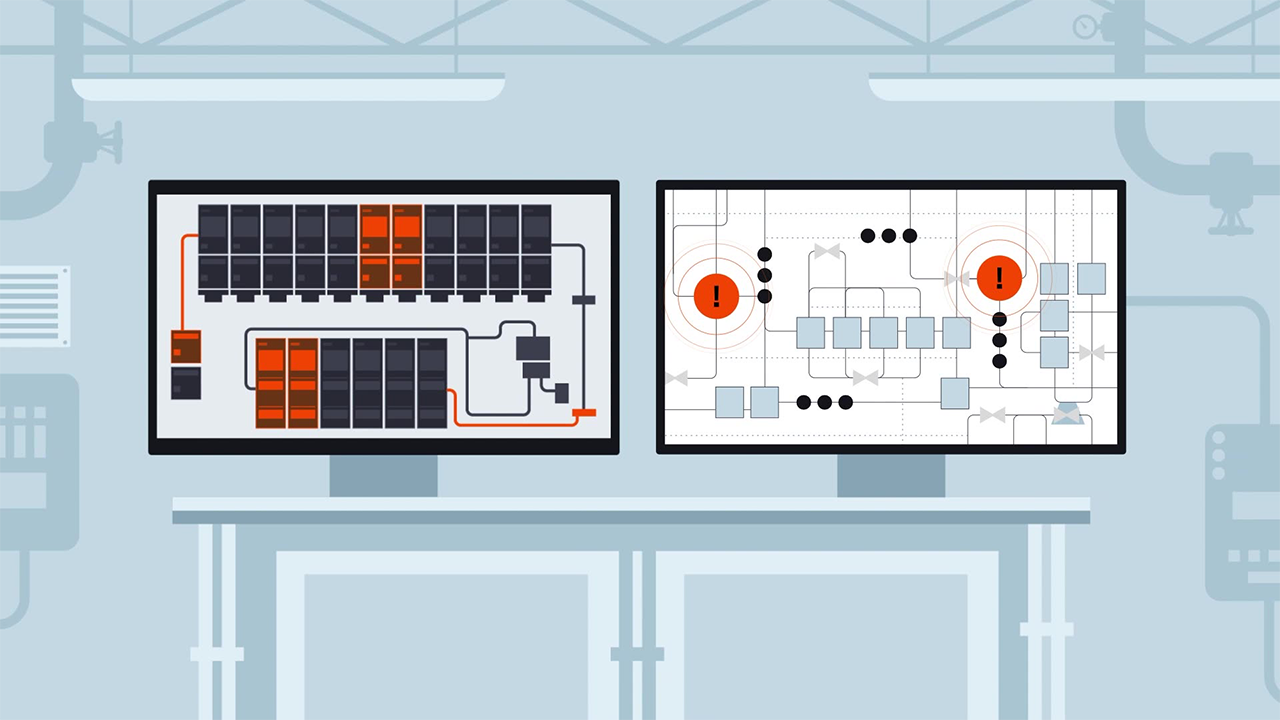
-
Connecting with Kepware Customers: Electrolux
Video -
Connecting with Kepware Customers: Howden
Video -
Getting Started with Audit Logs in Kepware
Video -
Getting Started with Kepware Server in Less Than Five Minutes
Video -
Introducing Kepware Edge
Video -
How Zilor improves operational efficiency with Proficy
Case study
Brochure
-
Standardize Kepware across the enterprise
One license. One strategy. Scalable industrial connectivity everywhere you operate.
Brochure -
Proficy Scheduler Brochure
Learn how you can turn complex, constantly changing production environments into more stable, predictable, and profitable operations with Proficy Scheduler.
Brochure
Buyer's guide
-
Industrial Intelligence Platform Buyer´s Guide
Buyer's guide -
Tech-Clarity Industrial Connectivity Buyer’s Guide
Buyer's guide
Data sheet
-
Experience award-winning connectivity with Kepware Edge
Modernize your data foundation with connectivity that’s faster to deploy, easier to maintain, and scalable across the enterprise.
Data sheet -
Proficy Historian Datasheet
Explore how Proficy Historian securely collects, stores, and contextualizes industrial data across on-premises, hybrid, and cloud environments.
Data sheet -
Proficy Scheduler - Optimize Your Scheduling
Streamline scheduling with Proficy Scheduler. Maximize efficiency and meet deadlines effortlessly.
Data sheet -
Advanced HMI SCADA Solutions Suite
Optimize your industrial control systems with Velotic's HMI SCADA solutions. Download the datasheet to enhance operational efficiency.
Data sheet -
Proficy Operations Hub Datasheet
Explore how Proficy Operations Hub unifies industrial data, visualization, and workflows to help connected workers make faster, better decisions.
Data sheet -
Proficy SCADA Ultimate from Velotic
Discover how Proficy SCADA Ultimate brings together HMI SCADA, industrial data management, and AI/ML analytics in one flexible subscription to simplify licensing, support scalable operations, and help industrial teams turn data into actionable insights.
Data sheet -
Proficy Smart Factory Cloud MES Datasheet
Explore how Proficy Smart Factory Cloud MES helps manufacturers accelerate deployment, improve visibility, and optimize production.
Data sheet
E-book
-
Boost your manufacturing throughput with digital continuous improvement
By digitizing their continuous improvement efforts, manufacturers can provide actionable feedback to frontline workers, empowering them to immediately identify problems and direct their efforts at the highest priority issues.
E-book -
Enabling intelligent manufacturing with standardized connectivity
The path to intelligent manufacturing starts with standardized connectivity and a robust data foudation.
E-book -
From theory to reality: How to harness the power of connected field assets
A recipe for success when deploying IIoT for service optimization
E-book -
IoT factory automation: 5 keys for future-proofing your operations
Empower leadership teams to make better informed decisions, reduce the risk when they make transformational decisions, and increase overall factory profitability.
E-book -
Achieving Industrial Transformation
E-book -
Building a Scalable Industrial Transformation Program
E-book -
The Connectivity Journey
E-book -
Unlocking OT Data at Scale
E-book -
How Manufacturing Leaders Are Building AI-Ready Operations
E-book -
The Role of Connectivity in Industrial Data Ops
E-book
Industry analyst report
-
2026 Frost Radar : Industrial Connectivity Software, 2026 - Kepware Named Visionary Leader
Explore Frost & Sullivan’s perspective on industrial connectivity, including market trends, growth drivers, and why vendor-neutral OT data access is becoming a foundation for enterprise transformation.
Industry analyst report -
Gartner Market Guide for Manufacturing Execution Systems
Industry analyst report -
Kepware Leads 2025 QKS SPARK Matrix
Industry analyst report -
ThingWorx Leads Nucleus Research IIoT Value Matrix
Industry analyst report -
ThingWorx Leads QKS SPARK Matrix for IIoT
Industry analyst report
Infographic
-
Flipping the script: How IoT is transforming the service industry
By enabling remote diagnostics, ensuring a robust parts inventory and providing access to off-site expert assistance, service optimization has never been simpler.
Infographic -
Life is better in the cloud for process and discrete
Learn how Cloud MES helps manufacturers do more with less.
Infographic -
AI Readiness Starts with Coordinated Execution
Learn how to scale AI with connected data, standardized work, and real-time insights.
Infographic -
Life is Better in the Cloud
How Proficy Smart Factory Cloud MES helps plants do more with less.
Infographic -
AI Insights Are Only as Reliable as the Data Foundation Beneath Them
Infographic
Report
-
ThingWorx Leads Nucleus Research IIoT Value Matrix
Industry analyst report
Webinar
-
Webinar: Modernizing Intelligence Unleashed: Building the Data Foundation for AI-Powered Manufacturing
Webinar hosted by Packaging Strategies - learn how to establish a scalable data foundation that supports predictive insights, operational visibility, and future AI initiatives without requiring a complete technology overhaul.
Webinar -
Webinar: Delivering Customer Value with the Next Evolution of Industrial AI
Hear practical lessons from the field and learn how organizations are preparing data, accelerating AI initiatives, and achieving faster time to value.
Webinar -
Unlocking food safety: understanding FSMA 204
The Food Safety Modernization Act (FSMA) 204 will significantly change how food manufacturers track products across the supply chain. With compliance requirements taking effect in July 2028, manufacturers of all sizes need to begin preparing now. Podcast series - episode 2 of 3
Video
-
Unlocking food safety: understanding FSMA 204
The Food Safety Modernization Act (FSMA) 204 will significantly change how food manufacturers track products across the supply chain. With compliance requirements taking effect in July 2028, manufacturers of all sizes need to begin preparing now. Podcast series - episode 3 of 3
Video
-
Unlocking food safety: understanding FSMA 204
The Food Safety Modernization Act (FSMA) 204 will significantly change how food manufacturers track products across the supply chain. With compliance requirements taking effect in July 2028, manufacturers of all sizes need to begin preparing now. Podcast series - episode 1 of 3
Video
-
SaaS vs. on-prem MES: driving smarter outcomes for F&B and CPG manufacturers
This webinar explores the practical business and operational implications of SaaS versus on-premises MES deployment models.
Webinar -
Webinar: What's New on ThingWorx Industrial Intelligence Platform
Join us for a customer-focused discussion exploring how manufacturers are turning industrial data into measurable business value. Hear practical lessons from the field on preparing data for AI, overcoming common challenges, and accelerating the journey from connectivity to actionable insights.
Webinar -
Webinar: What's new on ThingWorx Industrial Intelligence Platform
Join us for a customer-focused discussion exploring how manufacturers are turning industrial data into measurable business value. Hear practical lessons from the field on preparing data for AI, overcoming common challenges, and accelerating the journey from connectivity to actionable insights.
Webinar -
Webinar: ThingWorx Innovation With Industrial IoT and AI
Webinar -
Webinar: Eliminate Work Instruction Gaps to Improve Quality, Speed, and Compliance
Webinar
White paper
-
Everything you need to know about manufacturing execution systems
White paper -
Lean manufacturing in the age of the industrial internet
Connect machines and devices with people to access operational insight
White paper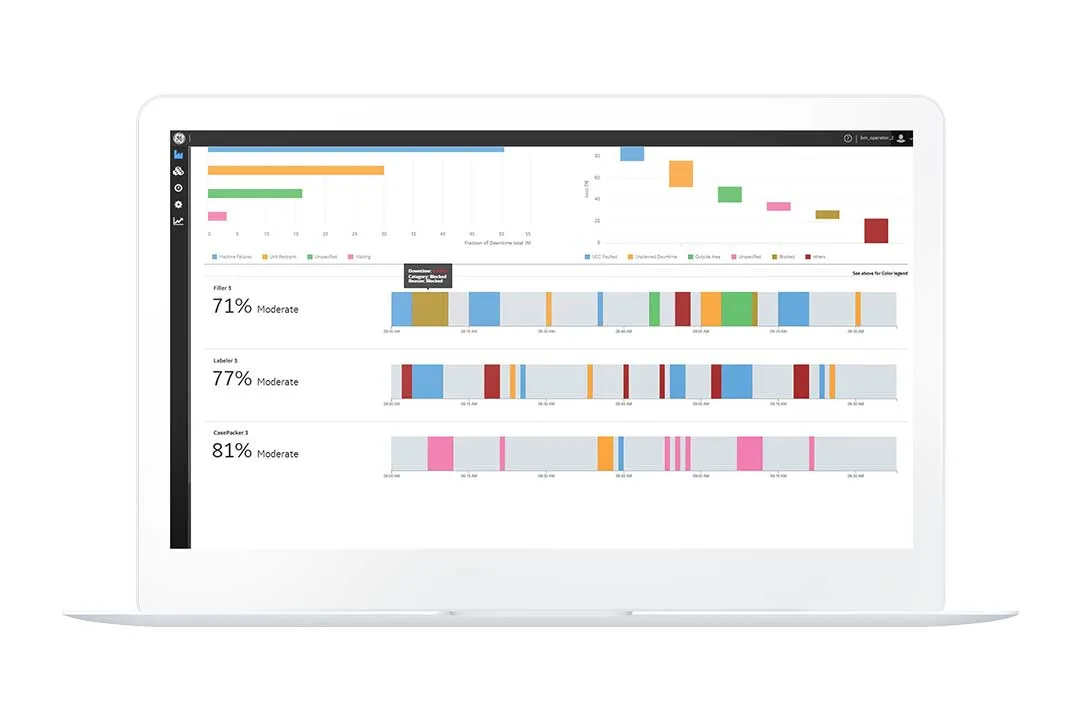
-
Cloud-Based OT data management to enable analytics & optimization
Learn how operational historians in the cloud can provide data analysis capabilities at speed allowing you to solve the riddle of enabling cloud-based analytics models, visualizations, and KPI dashboards on high volume OT data.
White paper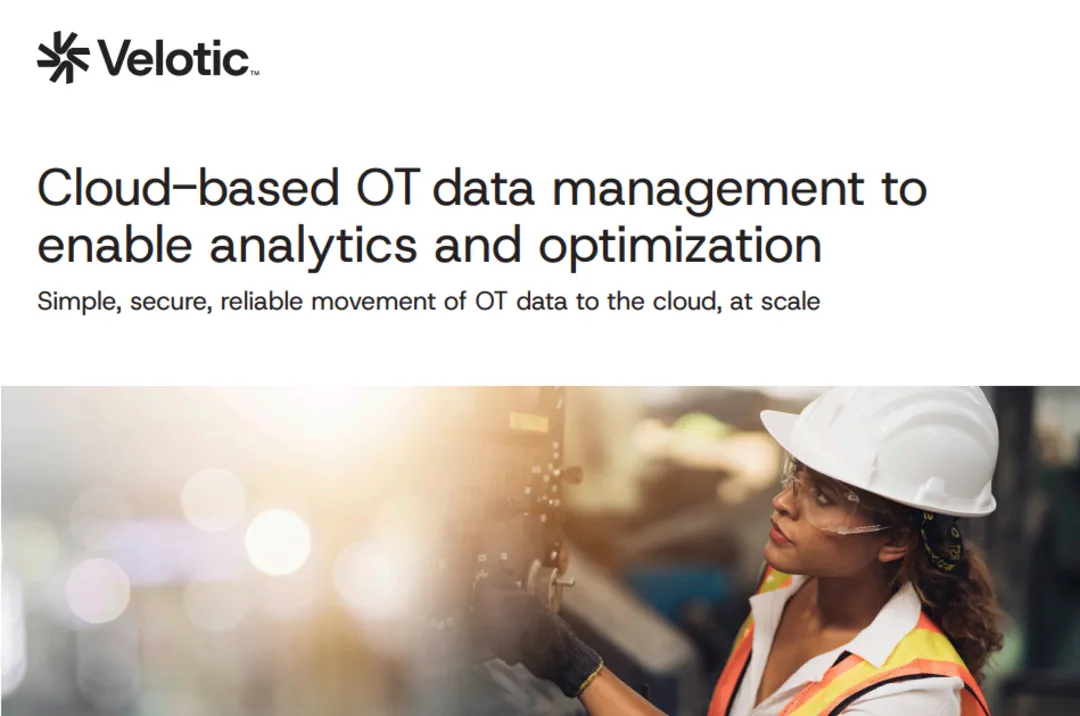
-
Achieve Enterprise Scale in Specialty Chemicals
Discover how specialty chemical manufacturers can scale operations efficiently across multi-site environments. Download the executive white paper to explore strategies for digital transformation, operational agility, and enterprise-wide integration.
White paper
-
Research Report: How AI and Analytics Are Transforming Manufacturing
Transform Manufacturing with AI & Analytics: Get data insights, real-world examples, & actionable strategies in this report.
White paper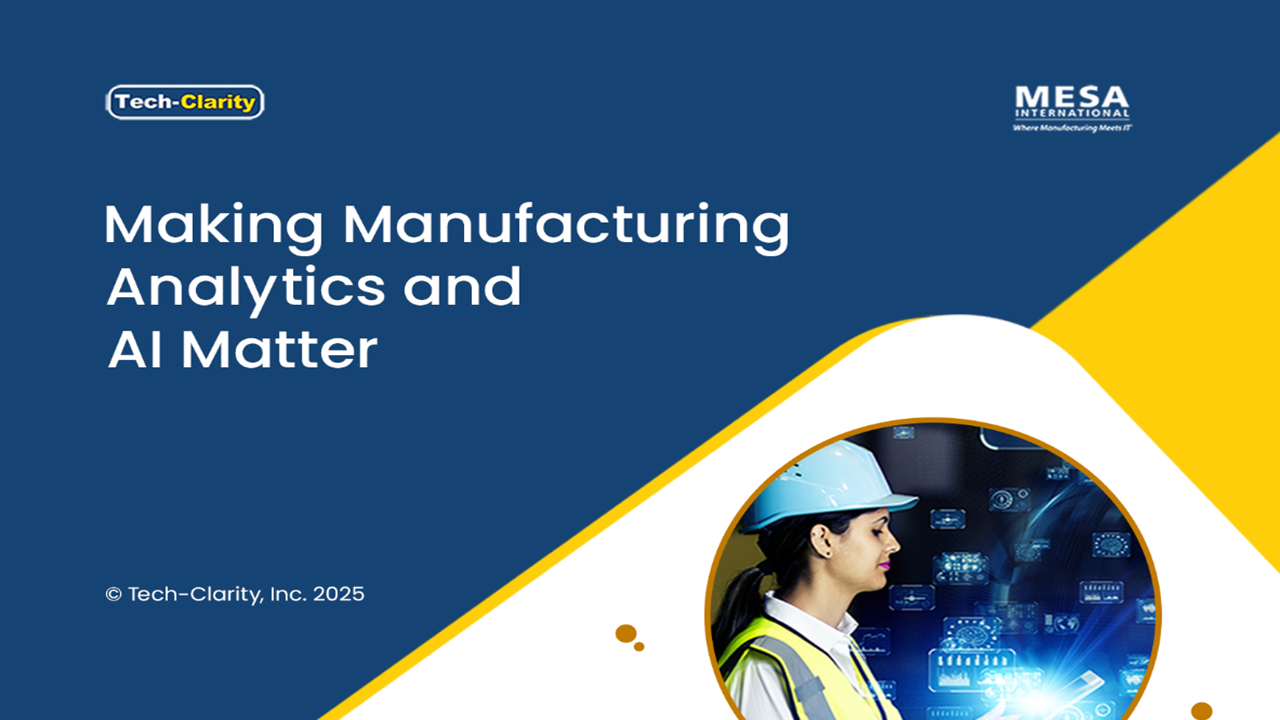
-
The AI Imperative: Why Industrial Architectures Must Evolve
White paper -
Battery Manufacturing: The Road to 2030 White Paper | Velotic
Explore the future of battery manufacturing in Velotic's white paper, "The Road to 2030." Download your copy for key insights and trends.
White paper -
Close the Productivity Gap with Overall Equipment Effectiveness (OEE)
Discover how food & beverage and CPG manufacturers are using OEE to reduce downtime, improve quality, and increase throughput. Download the white paper to learn how.
White paper
-
A Digital Approach to On-Demand Manufacturing
Read about strategies to tackle today's manufacturing challenges. Download the white paper today.
White paper -
Digitizing discrete manufacturing processes white paper
Drive down costs and improve quality and output in discrete manufacturing. Download the whitepaper to learn how to digitize your processes.
White paper