Industrial AI & analytics software
AI is expanding what software can do in industrial operations - from analyzing information to supporting recommendations, decisions, and action. As intelligence takes on a greater role in how operations are managed, trust matters more than ever.
 Talk to an expert
Put industrial intelligence to work

From industrial context to action
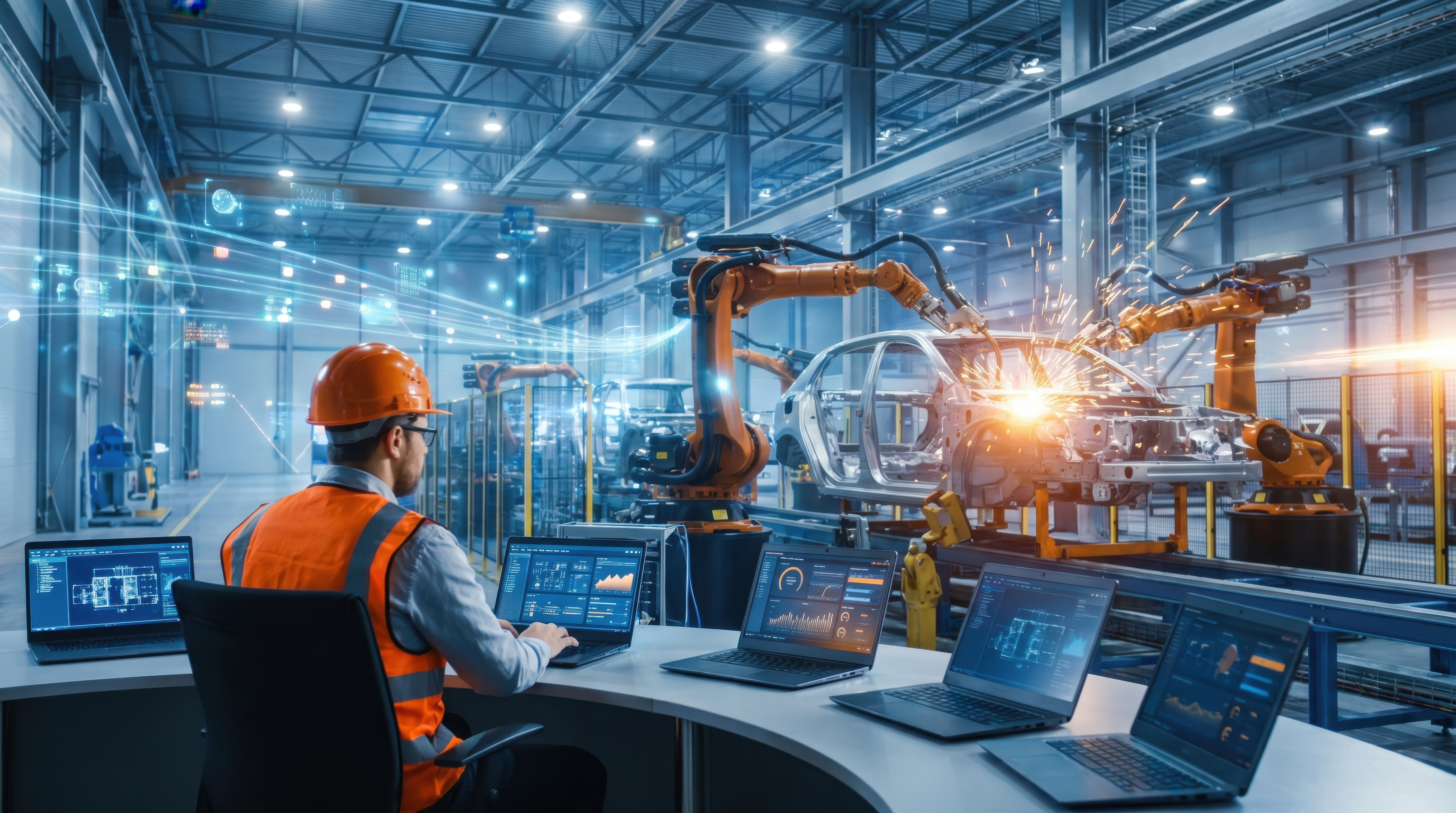
Industrial intelligence starts with understanding what is happening across your operations. Velotic brings deep industrial expertise and broad operational capabilities to AI and analytics, helping teams apply the right intelligence to make better decisions and act with confidence.
- Connect and contextualize industrial data
- Apply the right intelligence
- Diagnose operational issues faster
- Predict performance and emerging risks
- Guide decisions and actions
- Deploy from edge to enterprise
- 75%
- Waste reduction
- 35-45%
- Energy reduction
- 10%
- Higher throughput
- 8%
- OPEX savings
Featured insights
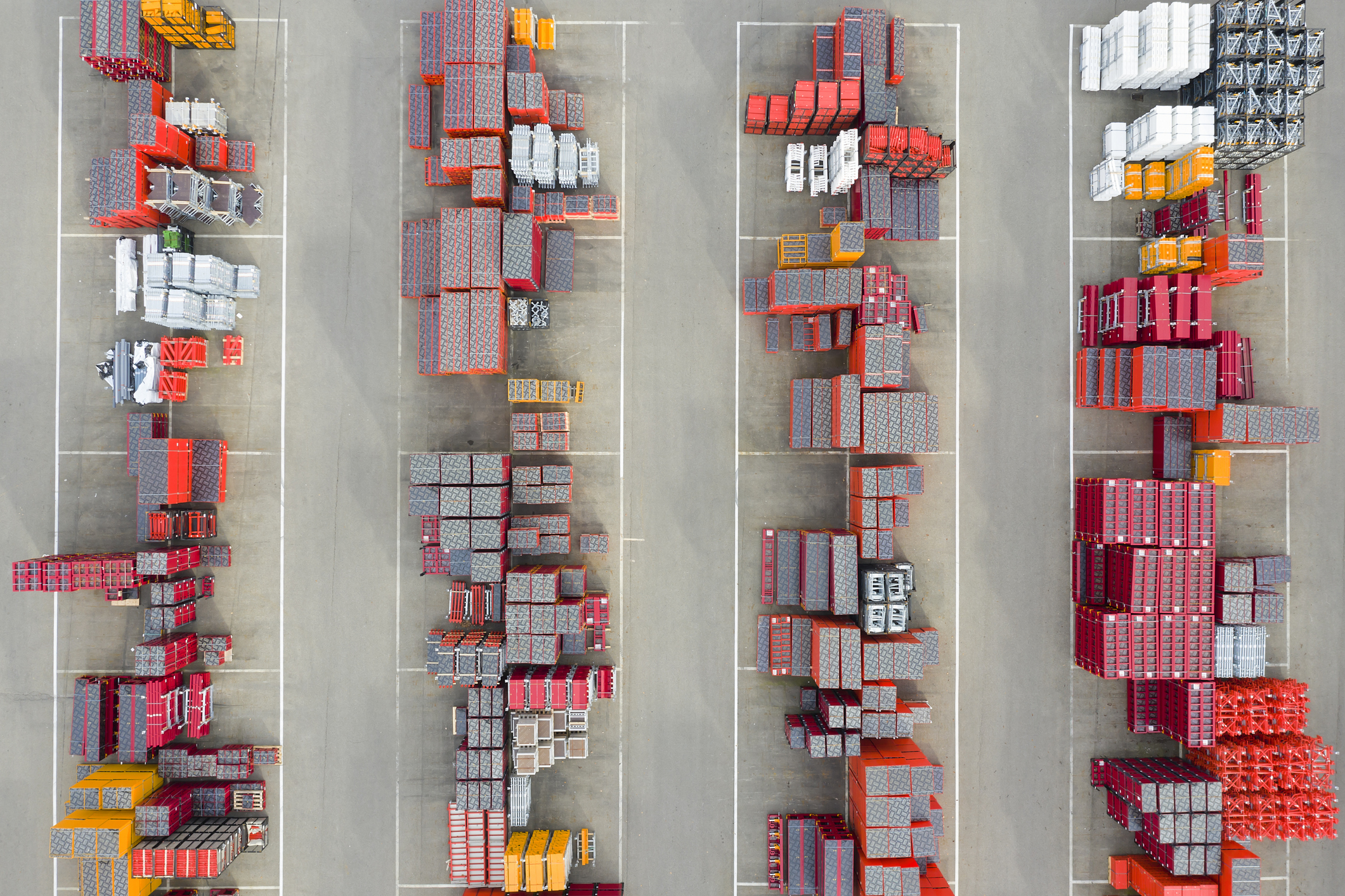
Improve production performance
Identify disruptions and performance issues, predict potential problems, and uncover opportunities to improve throughput, efficiency, and production execution.
Improve asset reliability
Detect emerging equipment issues, diagnose performance problems, and give maintenance teams better information to prioritize action and improve asset reliability.
Detect risk earlier
Identify emerging process, quality, and performance issues earlier so teams have more time to investigate problems and take corrective action.
Give industrial teams greater insight
Equip frontline teams with relevant operational insights and recommendations to help them understand changing conditions and make faster, more informed decisions.
Build a foundation for industrial AI & analytics
Industrial AI is different because the consequences are different. Velotic applies AI and analytics with the operational context, intelligence, and level of control appropriate to the task - helping teams move from understanding to decisions and action.
Start with context
Useful industrial intelligence depends on trustworthy operational data and the meaning around it. Connect information across assets, processes, conditions, and systems to give AI and analytics the context needed to understand what is happening.

Fit intelligence to the task
Use the approach best suited to the operational problem, from process and predictive analytics to optimization, machine learning, and generative AI. Different challenges call for different forms of intelligence.
Apply the right level of control
As intelligence gets closer to influencing operational decisions and actions, grounding, explainability, authority, control, and human oversight become increasingly important.
Move from insight to action
Shorten the distance from understanding what is happening to making a better decision and taking appropriate action. Connect intelligence to workflows and operations with the level of human involvement and control the situation requires.
Resources
View allAll Resources
-
Velotic looks to the future: AI enters the heart of SCADA, historian, and the digital factory
Novotek Italy explores how Velotic's AI could transform SCADA, historian, and industrial software through intelligent alarms, AI agents, and more.
Blog -
Research Report: How AI and Analytics Are Transforming Manufacturing
Transform Manufacturing with AI & Analytics: Get data insights, real-world examples, & actionable strategies in this report.
White paper
-
Industrial AI white paper for manufacturing plants
Read the white paper on practical industrial AI and Proficy analytics to help manufacturing teams troubleshoot faster, reduce downtime, and act on data.
White paper -
Top 5 Software Capabilities for Ensuring Food Safety
There’s a real opportunity for manufacturers to improve food safety during production with critical software capabilities that leverage real-time actionable knowledge and provide insight and analytics for enhanced control and consistency.
White paper -
Closed Loop Performance Monitoring for PID Control Loops Video
Watch this Ask an Expert webinar to learn how closed loop performance monitoring helps manufacturers improve PID loop performance, reduce variability, increase throughput, and support continuous improvement.
Video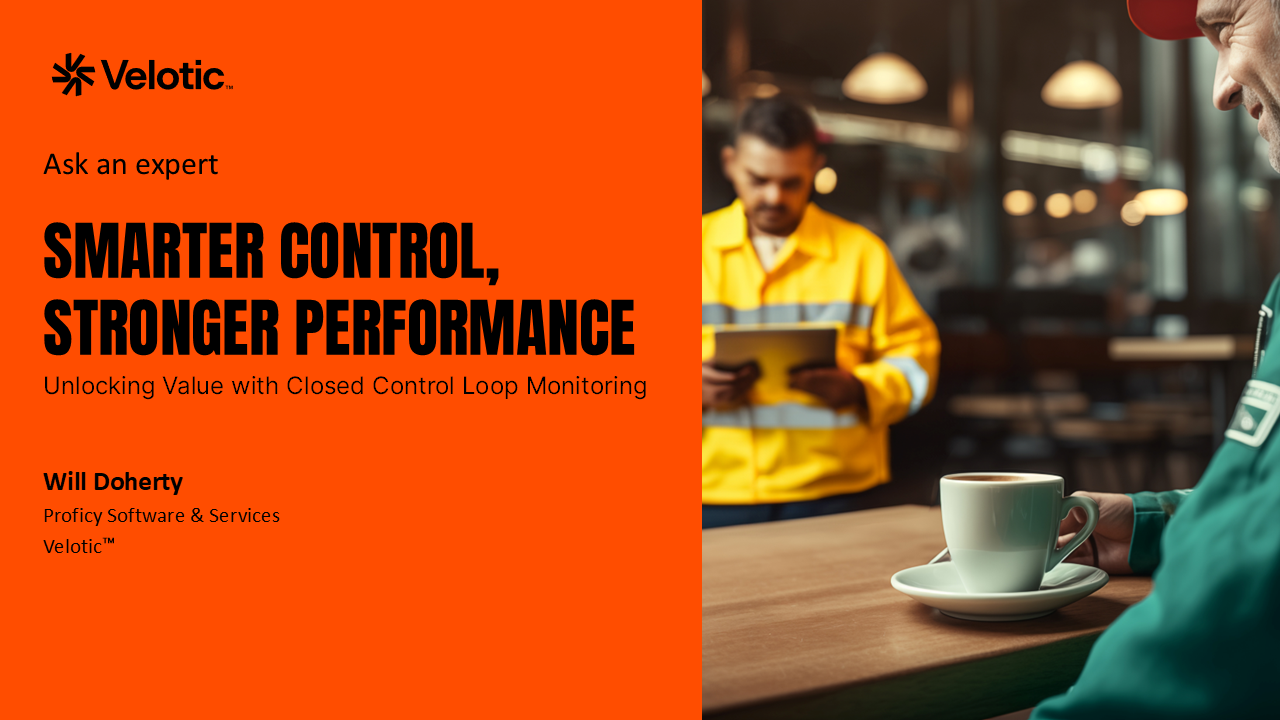
-
Demo: Operationalizing AI on the Shop Floor
Watch this webinar to learn how manufacturers can apply AI on the shop floor with practical use cases for SCADA, MES, alarm analysis, AI assistants, and production data.
Video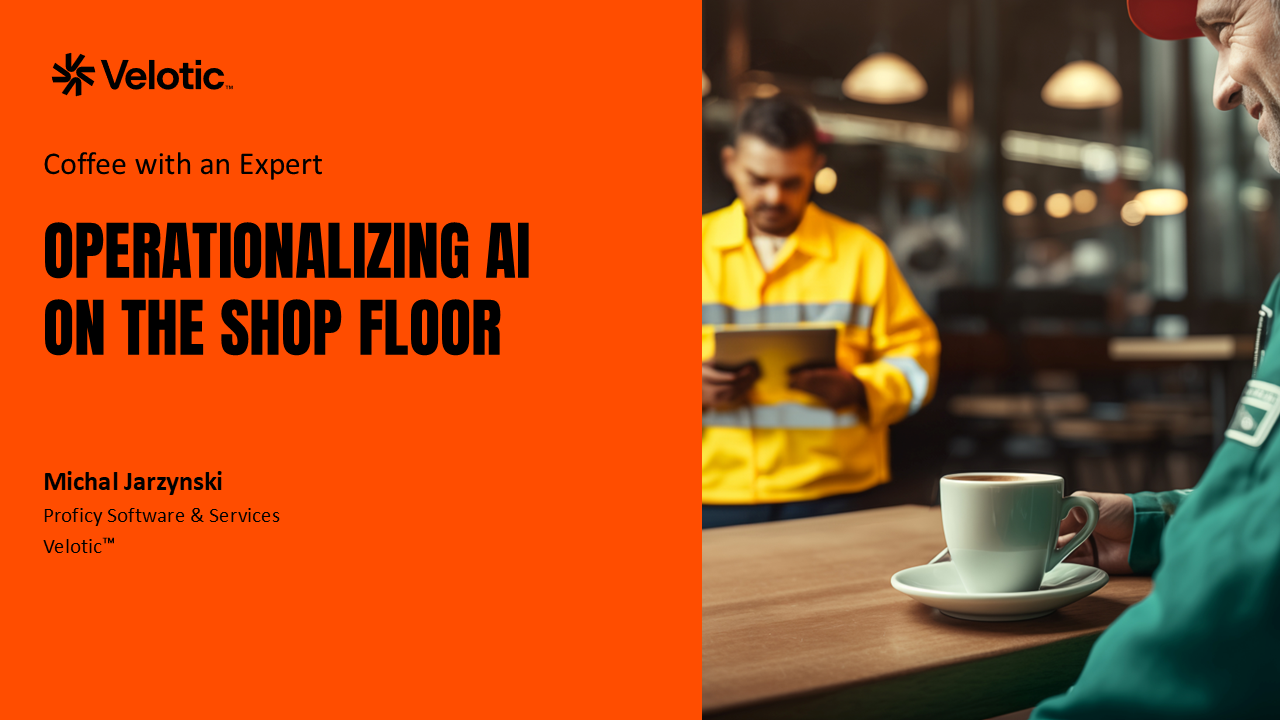
-
Industrial AI for Smarter Operations
See how practical industrial AI can work alongside operators, engineers, and maintenance teams to reduce friction, accelerate problem-solving, and turn industrial data into action.
Video
-
The future of industrial data ops: data fabric, AI & manufacturing
Explore the future of industrial data operations and learn how connected, contextualized OT data can accelerate insights, AI, and operational performance.
Video -
How AI Is Reshaping Industrial System Integrators
Explore how AI is redefining industrial system integrators, driving internal productivity, and unlocking new recurring revenue through operational optimization.
Blog -
Analytics Software for Water and Wastewater Engineers
Explore how water and wastewater engineers can use industrial data analytics to reduce costs and enhance operational efficiency.
Blog
Blog
-
Velotic looks to the future: AI enters the heart of SCADA, historian, and the digital factory
Novotek Italy explores how Velotic's AI could transform SCADA, historian, and industrial software through intelligent alarms, AI agents, and more.
Blog -
How AI Is Reshaping Industrial System Integrators
Explore how AI is redefining industrial system integrators, driving internal productivity, and unlocking new recurring revenue through operational optimization.
Blog -
Analytics Software for Water and Wastewater Engineers
Explore how water and wastewater engineers can use industrial data analytics to reduce costs and enhance operational efficiency.
Blog -
The Benefits of Paperless Manufacturing on Production Data
Discover the benefits of paperless manufacturing in streamlining production data management, improving accuracy, and enhancing traceability across operations.
Blog -
Utilizing Manufacturing Industry Technology Trends to Select the Ideal MES Software
Knowing recent manufacturing industry trends can help you pick the best MES software. Learn how to read reviews and compare solutions with technology trends.
Blog -
ThingWorx and Leela AI Team Up to Improve Production Performance Using Vision AI
Learn how this collaboration of Velotic ThingWorx and Leela AI boosts efficiency and performance to revolutionize production with Vision AI.
Blog -
What is Digital Transformation in Automotive Manufacturing?
Explore the role of digital transformation in automotive manufacturing, driving innovation, efficiency, and competitiveness in a rapidly evolving industry.
Blog -
ThingWorx 10.0 and Microsoft Azure: Powering Industrial IoT From Edge to Insight
Discover how Velotic's ThingWorx 10.0 and Microsoft Azure transform industrial IoT by unifying edge-to-cloud data, AI, and analytics for smarter operations.
Blog -
Introducing ThingWorx 10.0: Powering the Next Era of Industrial IoT
ThingWorx’s newest version, 10.0, is here. Read more to learn about IIoT’s latest innovation.
Blog -
Control Loop Optimization in Food & Beverage Manufacturing
Explore the importance of control loop optimization in food and beverage manufacturing. Learn how small changes can drive improvements in production efficiency.
Blog
Video
-
Closed Loop Performance Monitoring for PID Control Loops Video
Watch this Ask an Expert webinar to learn how closed loop performance monitoring helps manufacturers improve PID loop performance, reduce variability, increase throughput, and support continuous improvement.
Video
-
Demo: Operationalizing AI on the Shop Floor
Watch this webinar to learn how manufacturers can apply AI on the shop floor with practical use cases for SCADA, MES, alarm analysis, AI assistants, and production data.
Video
-
Industrial AI for Smarter Operations
See how practical industrial AI can work alongside operators, engineers, and maintenance teams to reduce friction, accelerate problem-solving, and turn industrial data into action.
Video
-
The future of industrial data ops: data fabric, AI & manufacturing
Explore the future of industrial data operations and learn how connected, contextualized OT data can accelerate insights, AI, and operational performance.
Video
Webinar
-
Closed Loop Performance Monitoring for PID Control Loops Video
Watch this Ask an Expert webinar to learn how closed loop performance monitoring helps manufacturers improve PID loop performance, reduce variability, increase throughput, and support continuous improvement.
Video
-
Demo: Operationalizing AI on the Shop Floor
Watch this webinar to learn how manufacturers can apply AI on the shop floor with practical use cases for SCADA, MES, alarm analysis, AI assistants, and production data.
Video
-
The future of industrial data ops: data fabric, AI & manufacturing
Explore the future of industrial data operations and learn how connected, contextualized OT data can accelerate insights, AI, and operational performance.
Video
White paper
-
Research Report: How AI and Analytics Are Transforming Manufacturing
Transform Manufacturing with AI & Analytics: Get data insights, real-world examples, & actionable strategies in this report.
White paper
-
Industrial AI white paper for manufacturing plants
Read the white paper on practical industrial AI and Proficy analytics to help manufacturing teams troubleshoot faster, reduce downtime, and act on data.
White paper -
Top 5 Software Capabilities for Ensuring Food Safety
There’s a real opportunity for manufacturers to improve food safety during production with critical software capabilities that leverage real-time actionable knowledge and provide insight and analytics for enhanced control and consistency.
White paper