HMI SCADA software solutions
Give operators the visibility and control to make faster, more informed decisions with industrial HMI and SCADA software built for high-performance visualization, centralized monitoring, alarming, and scalable operations.
 Talk to an expert
Improve visibility, response, and engineering efficiency

See more. Respond faster. Operate smarter.
Industrial operations depend on clear, timely information. Velotic HMI SCADA solutions help operators monitor and control processes, quickly identify abnormal conditions, and make informed decisions while giving engineering teams the tools to build, deploy, and maintain applications more efficiently.
- High-performance HMI and visualization
- Centralized monitoring and supervisory control
- Alarm management and operator decision support
- Scalable architectures for single-site and multisite operations
- Flexible connectivity across industrial systems
- Web and mobile access for greater operational visibility
- 40%
- Faster development
- 35%
- Improvement in alarm resolution
- 80%
- Less time navigating
- 40%
- Faster identification of critical data
Featured HMI SCADA insights

Operator effectiveness
Give operators a clear view of process conditions with high-performance HMI designed to emphasize context, abnormal situations, and the information that requires attention.
Engineering efficiency
Build, configure, and maintain HMI/SCADA applications efficiently with reusable components, centralized tools, and flexible development capabilities.
Operational reliability
Maintain visibility and supervisory control with proven SCADA automation and redundancy capabilities designed to support reliable industrial operations.
Scalable operations
Create more consistent HMI SCADA experiences across machines, lines, sites, and teams while maintaining the flexibility to support different operational requirements.
Core capabilities
From operator visualization and alarming to centralized monitoring and enterprise-wide control, Velotic HMI SCADA software provides the capabilities industrial teams need to operate efficiently, consistently, and securely.
High-performance visualization
Give operators clear, contextual views of equipment and processes so they can quickly understand operating conditions, identify issues, and take action. High-performance visualization helps reduce cognitive load and emphasizes abnormal conditions and the information that requires attention.

Alarm management
Reduce alarm overload and help operators identify, prioritize, and respond to abnormal conditions with greater speed and confidence. Effective alarm management combines clear prioritization, contextual information, and structured alarm strategies to help teams focus on actionable events.
Industrial connectivity
Connect PLCs, controllers, devices, and industrial systems to bring operational data together and create a more complete view of production. Flexible connectivity helps organizations integrate diverse equipment and existing infrastructure while making data available to HMI SCADA and other industrial applications.
Web-based and remote operations
Extend operational visibility beyond the control room with secure web-based access to the information teams need. Give authorized users greater flexibility to view and interact with HMI SCADA applications from different locations and devices.
Reporting & operational insight
Turn operational data into meaningful information for performance analysis, compliance, troubleshooting, and continuous improvement. Automated reporting and historical context help teams identify trends, investigate issues, and share operational information more efficiently.
Scalable supervisory control
Monitor and control operations from individual machines and production lines to complex facilities and distributed sites. Scalable HMI SCADA architectures help organizations standardize applications and operational practices while supporting different requirements across systems and locations.
Get more from HMI SCADA with Proficy SCADA Ultimate

HMI SCADA + Data Management + Analytics
Proficy SCADA Ultimate combines HMI SCADA with industrial data management and analytics in a flexible subscription, helping you simplify your software approach while extending the value of operational data.
- Simplify HMI SCADA software licensing
- Add industrial data management
- Extend operations with advanced analytics
- Adapt capabilities as needs evolve
Resources
View allAll Resources
-
Velotic looks to the future: AI enters the heart of SCADA, historian, and the digital factory
Novotek Italy explores how Velotic's AI could transform SCADA, historian, and industrial software through intelligent alarms, AI agents, and more.
Blog -
Reduce Alarm Overload with Better HMI SCADA Design
See how better alarm management and HMI SCADA design can reduce alarm overload, improve operator clarity, and help industrial teams respond faster.
Video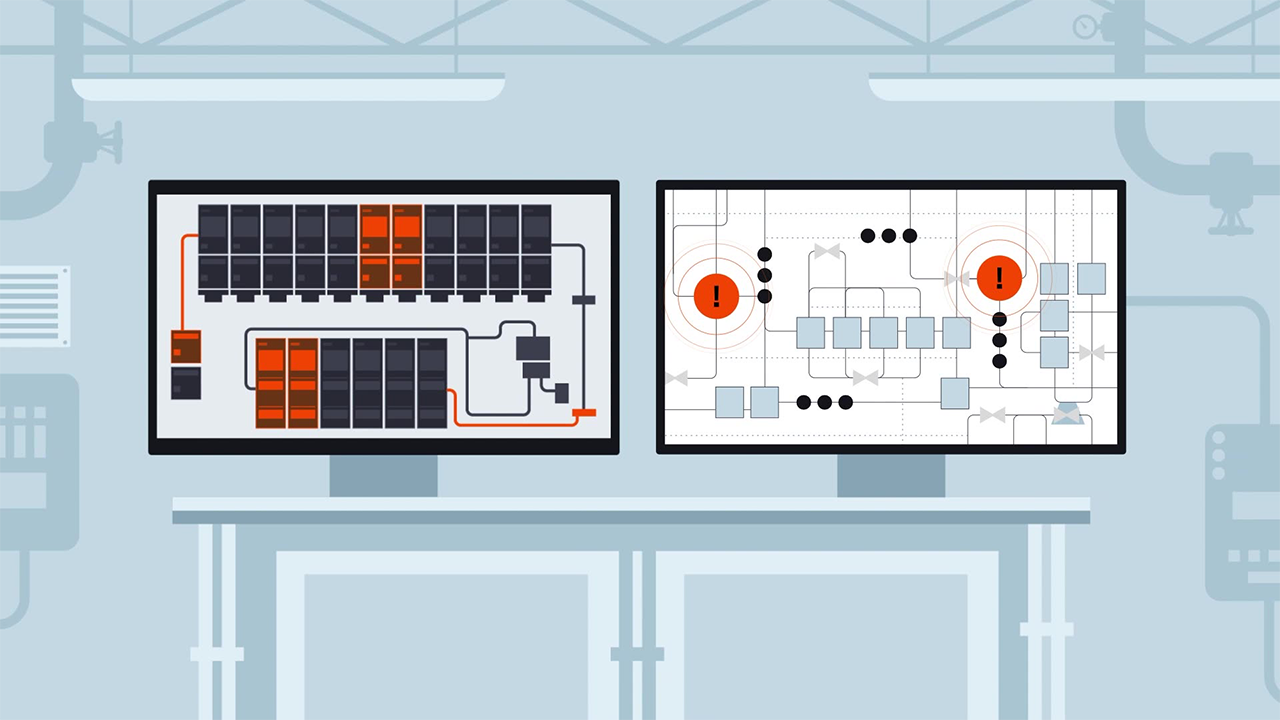
-
How Camuzzi Gas modernized critical infrastructure with Velotic's Proficy software
How Camuzzi Gas modernized critical infrastructure with Velotic's Proficy Software
Video -
Advanced HMI SCADA Solutions Suite
Optimize your industrial control systems with Velotic's HMI SCADA solutions. Download the datasheet to enhance operational efficiency.
Data sheet -
Proficy SCADA Ultimate from Velotic
Discover how Proficy SCADA Ultimate brings together HMI SCADA, industrial data management, and AI/ML analytics in one flexible subscription to simplify licensing, support scalable operations, and help industrial teams turn data into actionable insights.
Data sheet -
Achieving Enterprise Scale in Manufacturing with Unified Solution Portfolios
Download the ABI Research whitepaper to see how unified solution portfolios help manufacturers scale Industry 4.0, reduce silos & accelerate digital transformation.
White paper
-
HMI SCADA alarm management: from overload to AI-powered insight
Alarm overload is an engineering problem. Learn how better HMI SCADA design, structured alarm management, and emerging AI-powered analytics can help teams reduce alarm noise, identify patterns and root causes, and move toward more intelligent, continuous optimization.
White paper -
Modern HMI SCADA Guidebook for Efficient Operations
Read this ebook to explore tips and best practices for high performance HMI SCADA in your organization.
E-book -
Access insights from wherever you are
Learn how manufacturers deliver operational intelligence anywhere through industrial data management, visualization, connected operations, and enterprise-wide visibility.
Video
-
Act fast to improve productivity, quality, and safety
Learn how manufacturers improve productivity, quality, and safety through real-time visibility, connected worker strategies, digital workflows, and operational intelligence. Watch the three-part on-demand demo series.
Video
Blog
-
Velotic looks to the future: AI enters the heart of SCADA, historian, and the digital factory
Novotek Italy explores how Velotic's AI could transform SCADA, historian, and industrial software through intelligent alarms, AI agents, and more.
Blog -
How to choose HMI SCADA software
Learn what to consider when choosing HMI SCADA software, including engineering efficiency, scalability, integration, modernization, and migration.
Blog -
The Real Cost of SCADA: A Total Cost of Ownership Analysis
Understand the true cost of a SCADA system with our Total Cost of Ownership (TCO) analysis. Explore acquisition, implementation & hidden costs to calculate ROI.
Blog -
The Role of Cloud in Modern SCADA for IoT & Industry 4.0
Read this blog to understand the role of cloud-based SCADA systems in Industry 4.0 and the Internet of Things (IoT).
Blog -
Proficy HMI SCADA: Intuitive, High-Performance & Future-Ready for Modern Operations
Discover how Proficy’s HMI SCADA solutions are redefining industrial control with intuitive interfaces, high-performance design & a focus on user experience.
Blog -
HMI / SCADA: Everything You Need to Know
Understand what HMI and SCADA systems are, their key features, functions, differences, and use cases, as well as future trends shaping the software.
Blog -
MES vs SCADA – What’s The Difference?
Understand the differences between MES and SCADA systems, as well as their core features, functions, and use cases.
Blog -
Explaining PLC, HMI, and SCADA
Understand the differences between PLC, HMI, and SCADA systems, and how the three can work together.
Blog -
The Benefits of Paperless Manufacturing on Production Data
Discover the benefits of paperless manufacturing in streamlining production data management, improving accuracy, and enhancing traceability across operations.
Blog -
Empowering manufacturing operators with Proficy Software
Discover how Velotic's Proficy Software delivers real-time insights to boost productivity, quality, and safety in industrial operations.
Blog
Video
-
Reduce Alarm Overload with Better HMI SCADA Design
See how better alarm management and HMI SCADA design can reduce alarm overload, improve operator clarity, and help industrial teams respond faster.
Video
-
How Camuzzi Gas modernized critical infrastructure with Velotic's Proficy software
How Camuzzi Gas modernized critical infrastructure with Velotic's Proficy Software
Video -
Access insights from wherever you are
Learn how manufacturers deliver operational intelligence anywhere through industrial data management, visualization, connected operations, and enterprise-wide visibility.
Video
-
Act fast to improve productivity, quality, and safety
Learn how manufacturers improve productivity, quality, and safety through real-time visibility, connected worker strategies, digital workflows, and operational intelligence. Watch the three-part on-demand demo series.
Video
-
Demo: Operationalizing AI on the Shop Floor
Watch this webinar to learn how manufacturers can apply AI on the shop floor with practical use cases for SCADA, MES, alarm analysis, AI assistants, and production data.
Video
-
Webinar: Revolutionizing SCADA Management - The Modernization of iFIX SCADA
Watch to learn how iFIX modernization simplifies SCADA management, improves performance, and see a demo of iFIX 2026.
Video
-
OT for IT Webinar: Enabling Enterprise Scale in Industrial Operations
Watch our OT for IT webinar on achieving Enterprise Scale in industrial operations. Learn strategies for scalability, flexibility, standardization & integration.
Video
-
Connected Worker strategies: how to deliver context, visibility, and actionable insights across industrial operations
Learn how Connected Worker solutions improve productivity through contextualized industrial data, OT/IT convergence, operational intelligence, and AI.
Video
-
Proficy 2025 Product Update Webinar Series: What’s New in 2025 for Proficy HMI SCADA?
See what’s new in Proficy HMI SCADA, including the latest iFIX, CIMPLICITY, Operations Hub, and industrial analytics capabilities designed to improve visualization, performance, and engineering efficiency.
Video
-
Webinar: Proficy 2026 SCADA Ultimate - Smarter industrial control in one subscription
See how Proficy SCADA Ultimate brings HMI SCADA, industrial data, and analytics together in one flexible subscription to help you simplify licensing, adapt as needs change, and turn operational data into actionable insights.
Video
Webinar
-
Demo: Operationalizing AI on the Shop Floor
Watch this webinar to learn how manufacturers can apply AI on the shop floor with practical use cases for SCADA, MES, alarm analysis, AI assistants, and production data.
Video
-
Webinar: Revolutionizing SCADA Management - The Modernization of iFIX SCADA
Watch to learn how iFIX modernization simplifies SCADA management, improves performance, and see a demo of iFIX 2026.
Video
-
OT for IT Webinar: Enabling Enterprise Scale in Industrial Operations
Watch our OT for IT webinar on achieving Enterprise Scale in industrial operations. Learn strategies for scalability, flexibility, standardization & integration.
Video
-
Connected Worker strategies: how to deliver context, visibility, and actionable insights across industrial operations
Learn how Connected Worker solutions improve productivity through contextualized industrial data, OT/IT convergence, operational intelligence, and AI.
Video
-
Proficy 2025 Product Update Webinar Series: What’s New in 2025 for Proficy HMI SCADA?
See what’s new in Proficy HMI SCADA, including the latest iFIX, CIMPLICITY, Operations Hub, and industrial analytics capabilities designed to improve visualization, performance, and engineering efficiency.
Video
-
Webinar: Proficy 2026 SCADA Ultimate - Smarter industrial control in one subscription
See how Proficy SCADA Ultimate brings HMI SCADA, industrial data, and analytics together in one flexible subscription to help you simplify licensing, adapt as needs change, and turn operational data into actionable insights.
Video
-
Webinar: Revolutionizing SCADA Management - Introducing Active Update with CIMPLICITY
Watch to learn how Active Update supports zero-downtime SCADA upgrades & preview new features coming in CIMPLICITY 2026.
Video
Data sheet
-
Advanced HMI SCADA Solutions Suite
Optimize your industrial control systems with Velotic's HMI SCADA solutions. Download the datasheet to enhance operational efficiency.
Data sheet -
Proficy SCADA Ultimate from Velotic
Discover how Proficy SCADA Ultimate brings together HMI SCADA, industrial data management, and AI/ML analytics in one flexible subscription to simplify licensing, support scalable operations, and help industrial teams turn data into actionable insights.
Data sheet
E-book
-
Modern HMI SCADA Guidebook for Efficient Operations
Read this ebook to explore tips and best practices for high performance HMI SCADA in your organization.
E-book
White paper
-
Achieving Enterprise Scale in Manufacturing with Unified Solution Portfolios
Download the ABI Research whitepaper to see how unified solution portfolios help manufacturers scale Industry 4.0, reduce silos & accelerate digital transformation.
White paper
-
HMI SCADA alarm management: from overload to AI-powered insight
Alarm overload is an engineering problem. Learn how better HMI SCADA design, structured alarm management, and emerging AI-powered analytics can help teams reduce alarm noise, identify patterns and root causes, and move toward more intelligent, continuous optimization.
White paper