As both a manufacturer and an expert in digital transformation technologies, Velotic understands many of the decisions your manufacturing team must make every day. We see the ripple effect operational decisions have on short-term production agility, as well as the long-term opportunity current challenges present.
Working with F&B and CPG companies around the world, we’ve compiled a list of the seven most critical actions your operation should consider right now. The decisions you make matter to both short-term profitability but also long-term brand viability.
1. Reduce variety for in-demand products
Food & Beverage and CPG manufacturers need to accelerate throughput for in-demand products. Consumers have became less picky about certain products given rising inflation prices. As a result, shoppers continue to look for affordable options.
This is good news for manufacturers who are looking to accelerate throughput for in-demand products. Reducing the variety of products coming off the line lowers line changeover time and simplifies packaging while still meeting customer expectations.
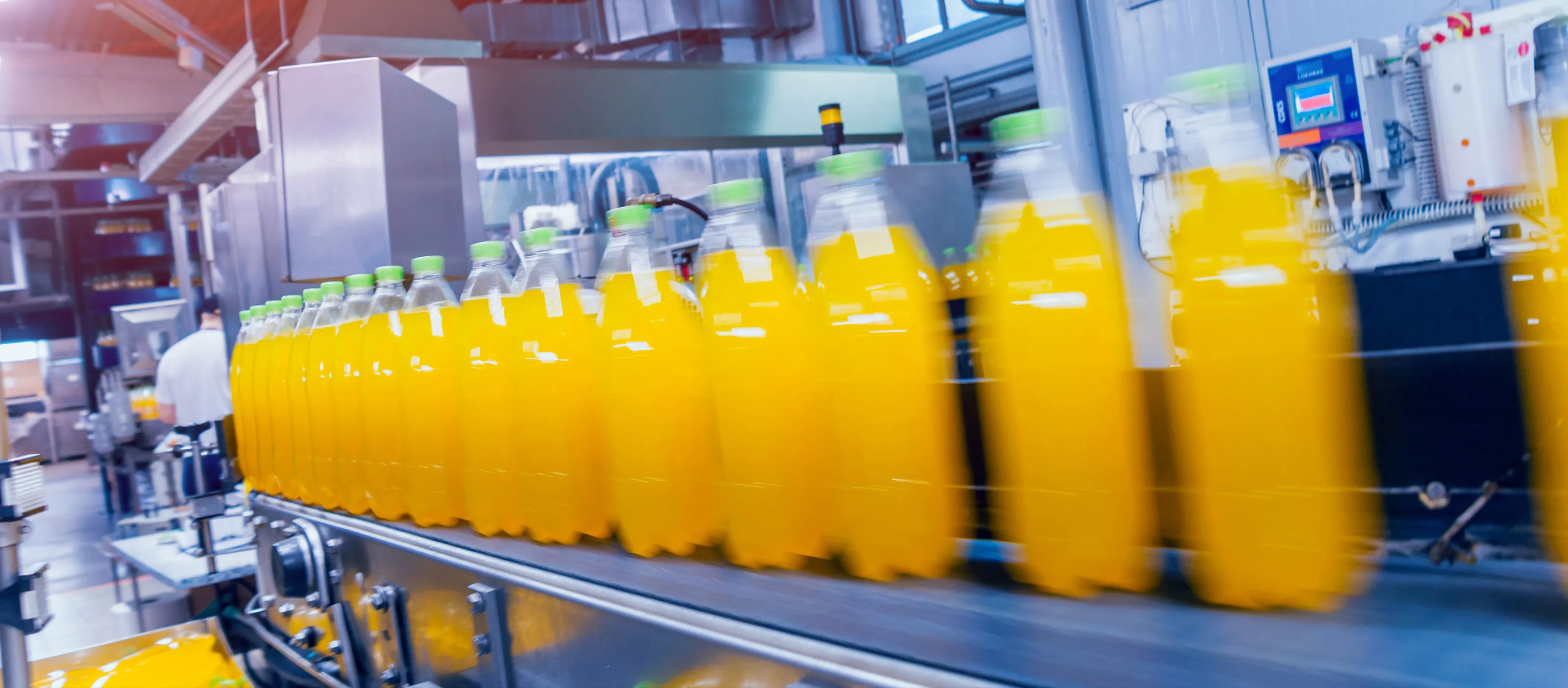
Food & Beverage and CPG manufacturers need to accelerate throughput for in-demand products.
2. Reevalutate new distribution channels
Manufacturers need to understand not only what they can produce with available resources, but also where demand is emerging and how products can be delivered most effectively.
The key is recognizing that market demand often shifts rather than disappears. Instead of focusing solely on new products, companies can unlock growth by expanding into or rebalancing distribution channels. A cheese producer, for example, can simultaneously serve restaurant customers with bulk packaging and retail shoppers with consumer-ready products, maximizing market reach and operational flexibility.
3. Diversify raw material supply chain
Access to raw materials is foundational for production agility. Equipment can run harder and longer, but if the raw materials needed aren’t available, production is stalled.
One way to combat the risk of supply chain disruptions is to diversify suppliers, increasing the chances of maintaining production agility without having to store excess inventory.
4. Leverage machine learning and data analytics
It’s tempting to focus on the immediate. Yet, we know that the decisions made today will have a long-term impact on your brand. It’s critical to make those decisions with as much insight as possible.
Predictive analytics and machine learning play a critical role in modeling the actions and consequences of actions in a way that is always valuable, but it is critical during periods of rapidly growing inflation. It’s important not only to understand an operation’s OEE but to be able to break it down in a granular way to take corrective action on the plant floor.
We have had our Proficy CSense customers use its AI and machine learning analytics in a variety of ways. One international food manufacturer decreased customer complaints related to product weight by 33%, improved product quality, and decreased waste. Additionally, a pulp and paper manufacturer predicted Critical to Quality (CTQ) KPIs to improve productivity and decrease wastewater regulatory issues. As a final example, a third company implemented an advanced process control solution to increase throughput by 10% using optimization technology.
Analytics can optimize production uptime, reduce waste, and accelerate learnings from one plant to another.
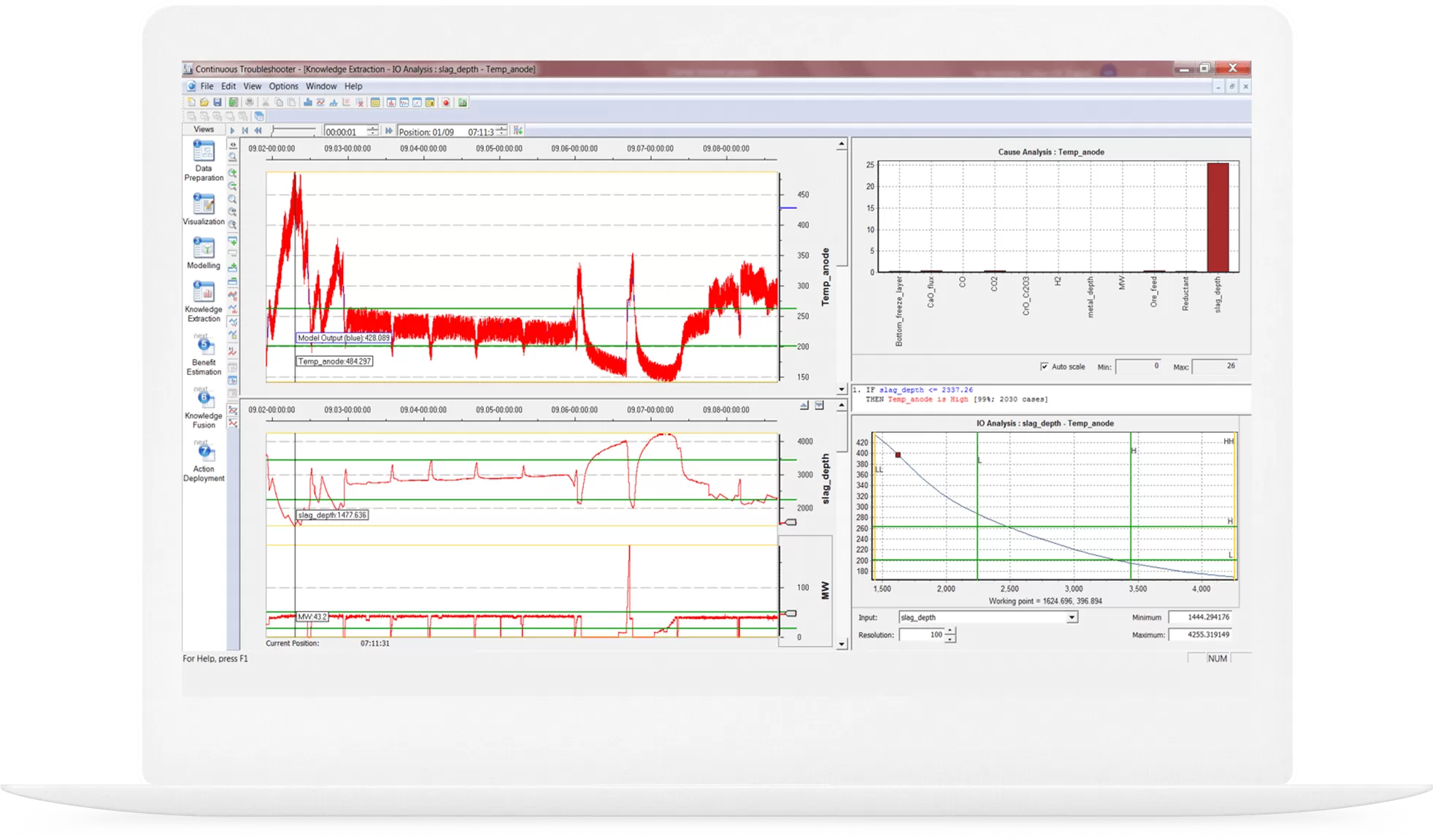
Proficy CSense uses machine learning analytics to help manufacturers optimize uptime and reduce waste.
5. Focus on production software and operational agility
Supply chain shortages and labor challenges that occurred at the height of the Covid-19 pandemic forced manufacturers to find creative ways to keep up with production demands. Maintenance schedules, reporting and training, for example, had to change while simultaneously keeping up with shifts in consumer demand.
Manufacturers should continue to focus on optimizing production/packaging agility. and prepare for future demand changes. This includes implementing rapid line changeover solutions and putting data more easily into the hands of operators for quick decision making.
6. Enable remote workforce
A good deal of manufacturing staff must work on-site to complete their job, but some parts of the workforce, given the right tools and connectivity, could work from home to reduce the spread of illness and create an improved work-life balance. Software that enables remote working can improve work-life balance and worker retention.

Software that enables remote working can improve work-life balance and worker retention.
7. Accommodate knowledge transfer across shift changes
Shift changes are a critical part of manufacturing operations. Important information about production status, equipment performance, quality issues, and ongoing tasks must be accurately communicated as one team hands responsibilities off to the next.
Historically, much of this knowledge was shared through informal conversations between operators and supervisors. While effective in the moment, verbal handoffs can create inconsistencies, limit visibility, and make it difficult to retain valuable operational knowledge over time.
Digital tools offer a more structured approach to shift-to-shift communication. Detailed reporting, electronic logbooks, and digitized operator notes help ensure critical information is consistently captured and transferred between teams. These solutions also create a reliable record of operational events, providing greater transparency and accountability across the plant.
To maximize value, manufacturers should invest in digitalization technologies that integrate seamlessly with existing plant systems. Solutions such as ThingWorx provide a centralized environment for operational intelligence, helping teams access, share, and act on information more effectively across the enterprise.
While face-to-face collaboration remains valuable, digital handoffs provide significant long-term benefits. Captured operational knowledge can be analyzed for continuous improvement initiatives, enabling organizations to identify trends, share best practices, and replicate successful outcomes across multiple sites and teams
Continue reading
Blog
-
Unlocking Strategic Potential in Food & Beverage and CPG: Redeploying IT Resources After the Cloud Transition
Unlocking Strategic Potential in Food & Beverage and CPG: Redeploying IT Resources After the Cloud Transition
Blog -
What is a Manufacturing Execution System (MES)?
Manufacturing Execution Systems (MES) ensure manufacturing operations are working to maximum efficiency. Read more to understand what MES is and how it works.
Blog -
Introducing Kepware Edge and Kepware Server
Learn more about Kepware’s Fall 2025 Release, including Kepware for Linux and a unified platform for Windows.
Blog -
Kepware Recognized as Outright Leader in Edge Connectivity by QKS
Get a free copy of the report and learn why Kepware is still the outright leader in connectivity.
Blog -
The Benefits of Paperless Manufacturing on Production Data
Discover the benefits of paperless manufacturing in streamlining production data management, improving accuracy, and enhancing traceability across operations.
Blog -
ThingWorx and Leela AI Team Up to Improve Production Performance Using Vision AI
Learn how this collaboration of Velotic ThingWorx and Leela AI boosts efficiency and performance to revolutionize production with Vision AI.
Blog -
Food & Beverage and CPG Manufacturers: Embracing Digital Evolution Together
Learn how food & beverage (F&B) and CPG manufacturers can keep their competitive advantage with better insights.
Blog -
Tackle Sustainable Food Manufacturing Goals with Existing Digital Systems
Learn how digital systems support sustainable food manufacturing. Explore Velotic's effective strategies.
Blog -
ThingWorx 10.0 and Microsoft Azure: Powering Industrial IoT From Edge to Insight
Discover how Velotic's ThingWorx 10.0 and Microsoft Azure transform industrial IoT by unifying edge-to-cloud data, AI, and analytics for smarter operations.
Blog -
An Overview of Industrial Communication Protocols
Learn how industrial automation protocols like Modbus, OPC UA, Ethernet/IP, and BACnet drive industrial automation with data reliability and speed.
Blog