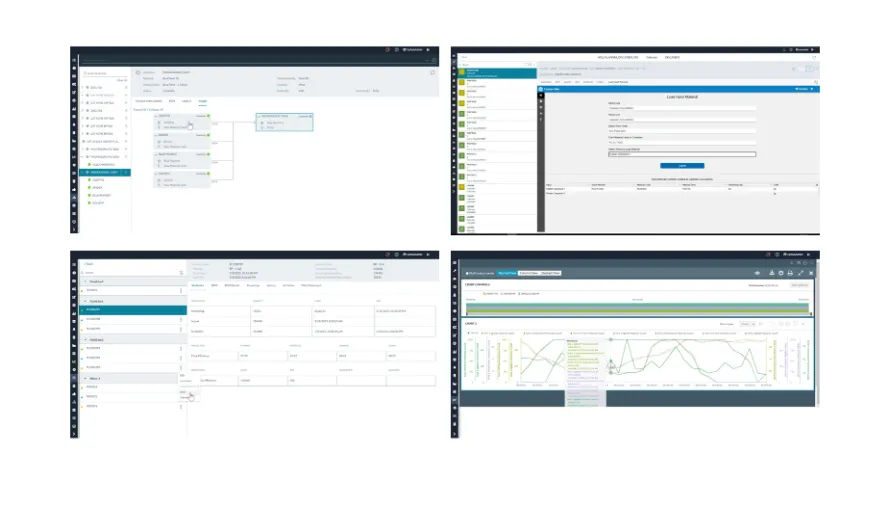
- A Manufacturing Execution System (MES) is software that manages, monitors, and optimizes production on the shop floor in real time. MES connects machines, operators, and systems to provide actionable insights into how raw materials are transformed into finished goods.
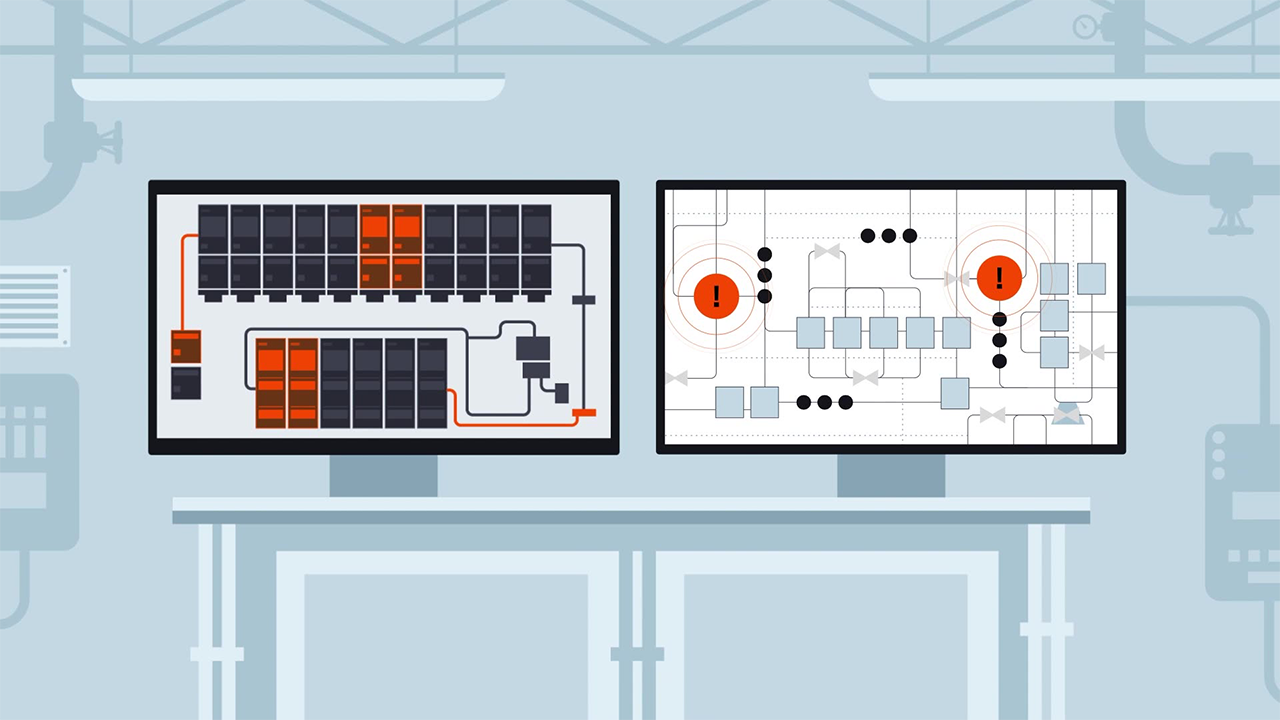
- MES bridges the gap between enterprise systems and shop floor operations. It sits between automation systems and enterprise platforms like ERP, translating production plans into executable tasks and returning real-time production data back to the business.
- Real-time data collection is a core capability of MES. The system continuously gathers information from machines, sensors, operators, and other systems to monitor production status, resource utilization, and quality metrics.
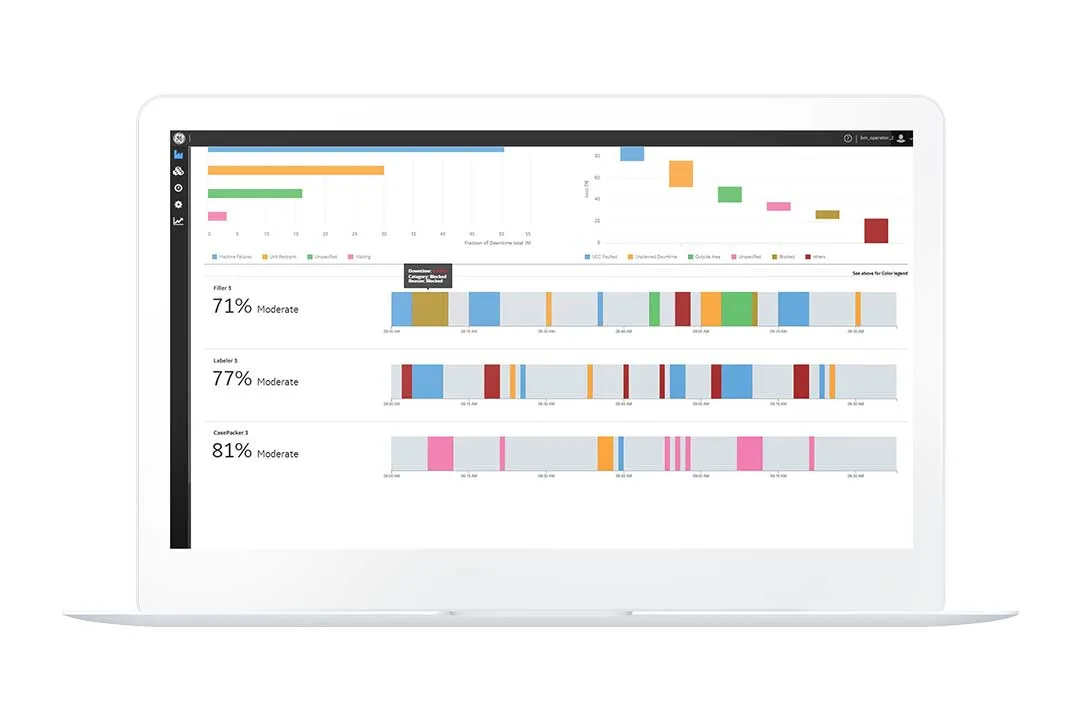
- MES improves operational visibility and production performance. By analyzing live production data, manufacturers can track KPIs such as efficiency, throughput, and OEE, enabling faster decision-making and continuous improvement.
- Key MES capabilities include production scheduling, work order management, quality control, resource tracking, and traceability. These functions help manufacturers coordinate materials, equipment, and labor while maintaining compliance and product quality.
- MES enables end-to-end traceability and compliance. The system records detailed production history and material genealogy, supporting regulatory reporting, audits, and root-cause analysis.
- Modern MES platforms integrate with IIoT, analytics, and cloud technologies. These integrations allow manufacturers to unlock predictive insights, automate data flows, and scale digital manufacturing initiatives across multiple plants.
- When integrated with ERP and other enterprise systems, MES helps create a connected digital manufacturing environment. This integration aligns business planning with shop-floor execution to increase efficiency, reduce waste, and improve delivery performance.
Today, manufacturing equipment is connected online like never before. Every individual step in a manufacturing process generates gigabytes of valuable data each and every time it is run and a Manufacturing Execution System (MES) software can track, control, and document the data associated with these steps.